Breastfeeding comes with many uncomfortable experiences and, breast leaking is one of them. You have to keep in mind that your breasts will leak. So, prepare yourself to avoid your clothes from getting stained and the embarrassment that comes with it.
A nursing pad is a soft and absorbent pad placed in your nursing bra to absorb excessive milk leakage. It comes in different types, sizes, and thicknesses. You can buy the one that suits you the best.
Read along to know all about nursing pads, their types, and factor to keep in mind while buying the best one.

Photo By Baby centre
Breast leaking does not have a specific reason. Mostly it happens during the early days of breastfeeding. As your milk supply regulates, leaking also stops. Some women face breast leaking as long as they nurse their child, while some never experience leaking at all.
It can happen when you get intimate with your spouse, hear your baby cry, when your breast is full of milk, or for no reason at all. But most common reasons for leakage are
- At night while sleeping
- During sexual intercourse
- During the initial days of breastfeeding
- When your breast becomes full
There is no way to stop breast leaking. The only way to control is to use high-quality nursing pads.
It is good to keep your breast dry to avoid sore or cracked nipples. Prolonged exposure to moisture can also cause bacterial infections like thrush and mastitis. So please make sure to replace your breast pad once it gets wet.
Types of nursing pads
Disposable breast pads
You can use disposable breast pads for once and, then you have to discard them. It comes real handy during traveling as you do not have to worry about washing them. They come in various styles and thicknesses. Try different ones to see what suits you the best.
In the long run, they prove to be an expensive option as you have to buy new ones all the time.
Secondly, they are also not environmentally friendly. Most disposable nursing pads are made of non-biodegradable material and, they end up contaminating the environment.
Photo By mumbabra
Reusable nursing pads
Reusable breast pads are a cost-effective and environment-friendly option. You can buy a few pairs of nursing pads and reuse them again and again. They do not contaminate the environment as you do not have to throw them every day.
It is good to have plenty of reusable nursing pads so that you can change frequently and keep your nipples dry.
It is good to use soft and absorbent breast pads made from natural materials. Avoid those made of plastic liners or non-absorbent material.
Silicone pads
Silicone pads are made of medical-grade silicone and, they have an adhesive attached at the back. They are made of hypoallergenic material that doesn’t cause irritation or infections. Silicon pads do not work as a cotton pads. They are anti-absorbent but, they put pressure on the breast to prevent leaking.
They are usually used under formal dresses or for swimming because they can be worn with or without a bra.

Photo By old.passionatehomemaking
Homemade nursing pads
Homemade nursing pads are one of the cheapest options available. If you know how to sew, take a few layers of any natural material and stitch them together in a circular shape.
Even if you do not know sewing, you can always cut a sanitary pad or disposable diaper and fit it into your bra.
Just be careful about the selection of material for making the nursing pads. Always use 100% cotton to avoid irritation.
Hydrogel pads
Hydrogel pads do not stop leaking. They provide a calm and soothing effect to cracked and sore nipples.
It acts as a barrier between your sore nipples and the cloth. It prevents rubbing or causing any discomfort.
Hydro gel pads are an effective way for pain management than applying medicines over your nipples. You can put them in the refrigerator for a cold and calm effect.
How to choose the best nursing pad?

Photo By parenting.firstcry
There are a few factors to keep in mind while choosing the best nursing pad.
Comfort
The most vital factor for choosing the right type of breast pad is comfort. Just think it is going to be sticking to your skin all day. It must be the most comfortable and soft thing that touches your skin.
Always choose nursing pads with a stay dry layer to keep your nipples dry even if your nursing pad gets wet.
Absorbent
Your nursing pads should be absorbent to avoid a constant uncomfortable wet feeling. Similarly, if you opt for a disposable nursing pad, always prefer the extra-absorbent ones to have them for a maximum number of hours.
The more absorbent your pad is, the lesser you have to worry about washing them.
Contoured
Breast pads have two shapes round and, the other one is flat. It is good to opt for a round contoured nursing pad. It should be like your breast so that the pad can wrap around your nipples and provide maximum coverage.
Appropriate size
Just like a nursing bra, the breast pads also need to be of an appropriate size. If they are in a smaller size, they will gather up together. It will not only be uncomfortable for you but also be more visible under your clothes.
High Quality
I know having a baby is expensive and, we sometimes want to have things that are according to our budget. But it is good to choose a high-quality breast pad even if it is a little expensive.
You must prefer quality over quantity. A low-quality breast pad can leak or cause chafing. If you’re using a low quality reusable nursing pad, the constant washing will make it fall apart or cause irritation.

The Nursing Mama Fashion Commandments
Twelve rules I wish someone had told me postpartum. Print them. Screenshot them. Live by them.
- Nursing bra always. Regular bras become instruments of pain the day letdown surprises you.
- Nursing pads on your body + a spare pair in your bag. Every single time you leave the house. No exceptions.
- Extra top in your bag — for YOU, not the baby. Because leaks, spit-up, and coffee-spills don’t care about your outfit plan.
- If it takes more than 5 minutes to figure out how to nurse or pump in it, it’s not the right outfit today. Feeding access is comfort. Comfort is not optional.
- Belt under the bust (empire) or below the belly with drape — never at the belly button. Your postpartum body deserves flattery, not compression.
- Comfortable waistband is non-negotiable. Elastic, wrap, or pull-on. Zippers are a Sunday-only luxury for now.
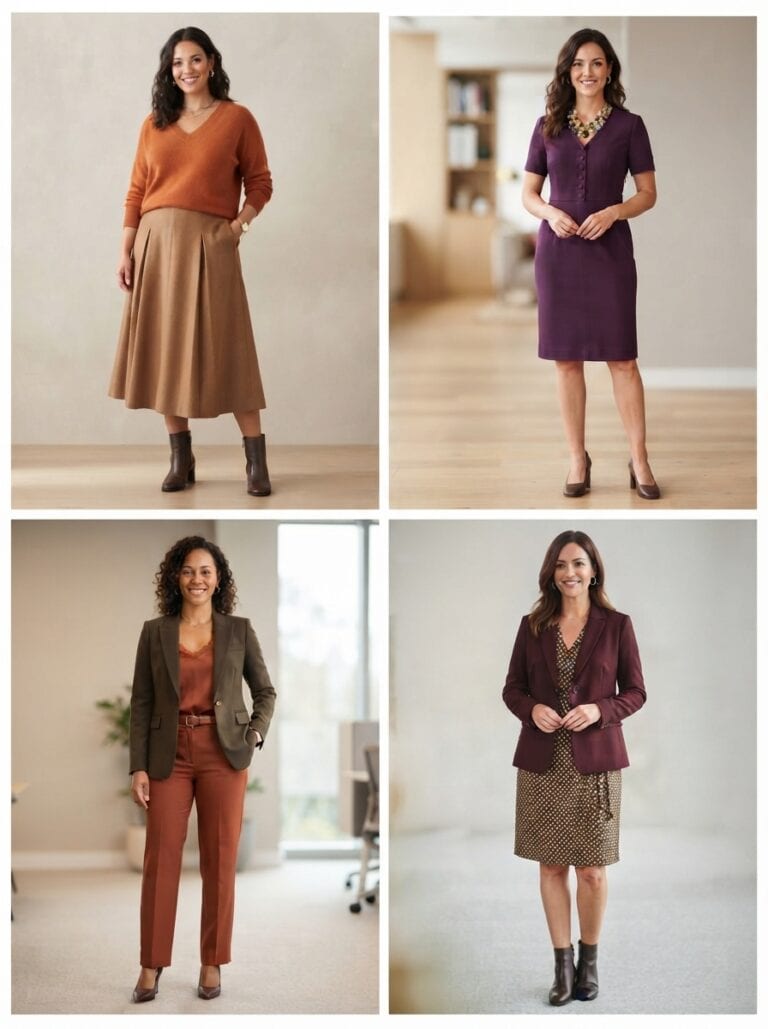
- Dark tones, prints, or textures — not thin light solids. Because letdown marks are real and you deserve clothes that don’t advertise them.
- Machine-washable everything. Dry-clean is not real-mama fashion. If it can’t survive a spit-up rinse, it’s not in rotation.
- Cross-body bag only. Hands stay free for the carrier, the toddler, the coffee, the door, the meltdown.
- Comfortable shoes always. You’re carrying a car seat and a diaper bag. This is not the season for a heel you can’t run in.
- Get dressed BEFORE the kids see you if you can. It changes the whole day — for them and for you.
- One accessory — earrings, a lip color, a scarf — counts as “put together.” That’s the whole game. You get to feel like yourself again.
Final words
Breastfeeding is a turbulent journey with many highs and lows on the way. You have to be wise in choosing the right type of equipment to make things easier for you.
When it comes to nursing pads, please always be more practical and choose them wisely. A high-quality, soft, and well-fitted nursing pad can help in leaking and provide you with a comfortable feeling of dryness.
How about you, do you have a favorite brand of nursing pads you prefer? Or do you do you have a clever trick you use to help with the leakage? Please comment below your experience.
Find this article useful?
Please share so it can reach as many Moms as possible.
The Atelier is your way back to you.
A 30-day style method, a curated Vault of 259 nursing-friendly outfits, and Anah — your AI stylist who knows your shape, your signature, and your season. Built for the mama getting dressed with a baby on her hip.