Finding a leaking bag after pumping can be upsetting. A secure container and careful handling can help, but no storage bag is guaranteed never to leak. Check the seal and the manufacturer’s filling instructions each time.
Storage bags seem like a small decision, but they protect something you worked hard for. The right ones are easy to fill, easy to label, and hold up in the freezer.
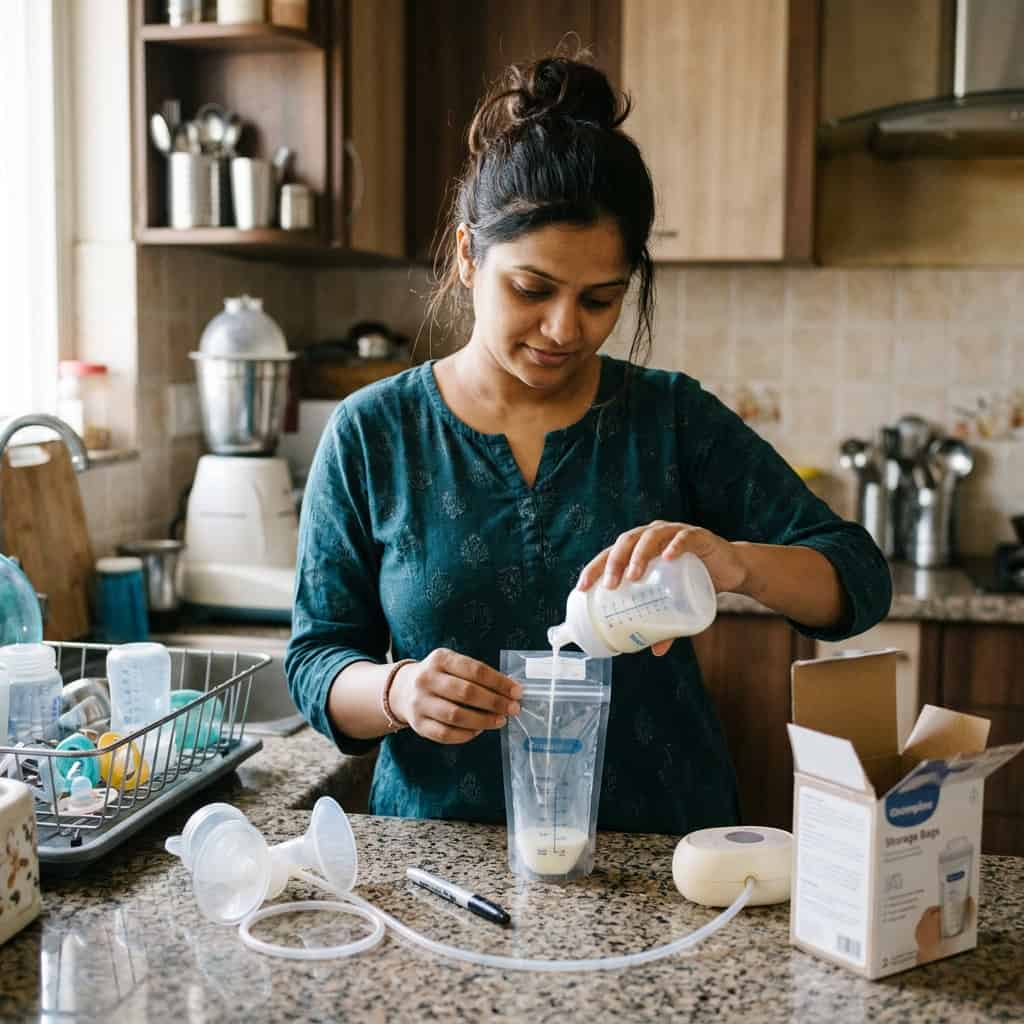
Here are storage options to compare, including disposable bags, reusable bottles and an organizer. Check the exact size, pack count, materials and current listing before ordering; ratings and packaging can change.

What to look for in milk storage bags
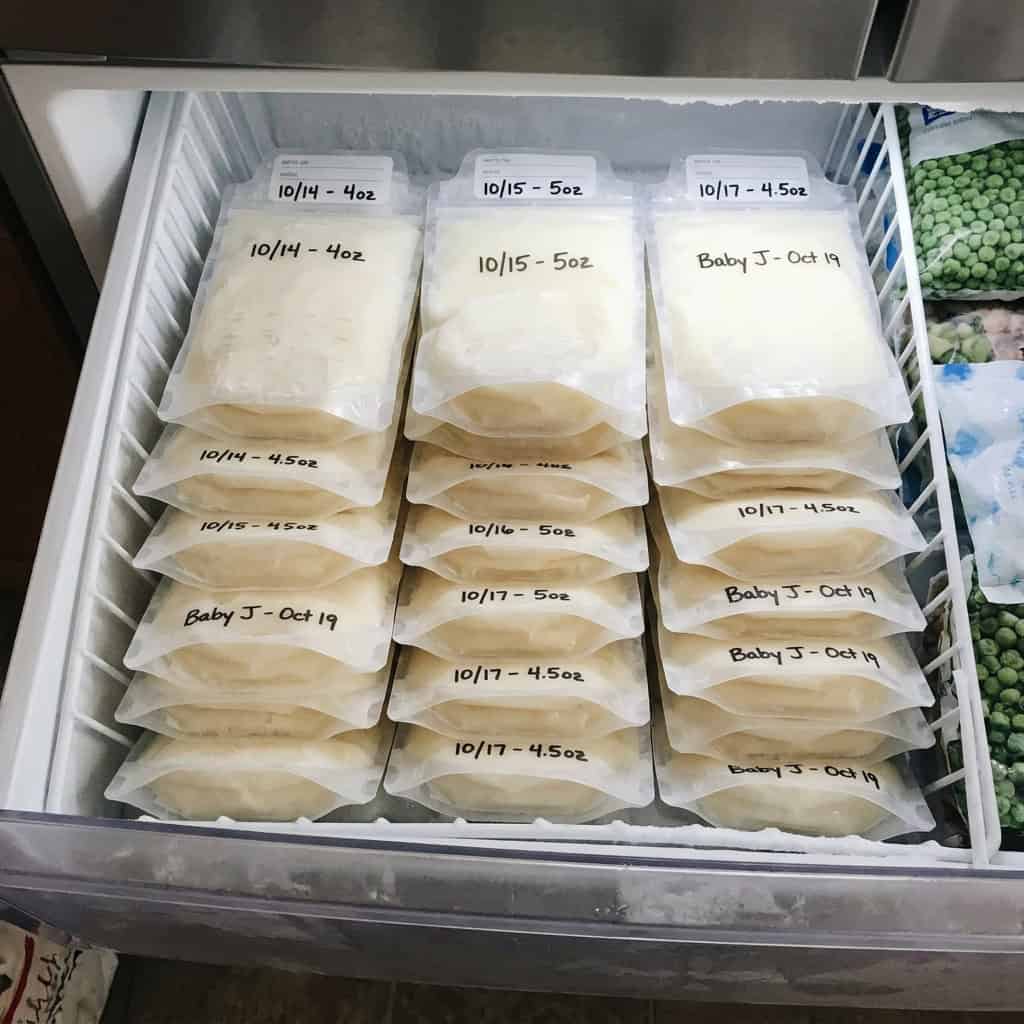
- A secure seal, ideally a double zipper, plus sturdy side seams.
- Containers specifically intended for breast milk storage, with space to label the date and other information you need.
- A size that matches what your baby actually drinks, so less milk goes to waste.
- A shape that can freeze flat and stack neatly.
- Easy pouring, so thawed milk goes into the bottle and not onto the counter.
Storage bags and containers to compare
1. Lansinoh Breastmilk Storage Bags
Lansinoh makes bags intended for breast milk storage. Check the capacity and filling instructions of the exact pack you are considering. Store portions based on what your baby usually takes, rather than filling every bag to its maximum. A high review count is not a guarantee against leaks.
Good to know: Leave a little room at the top before sealing. Milk expands as it freezes, and an overfilled bag is more likely to split.
2. Medela Breast Milk Storage Bags
Compare the instructions, capacity and pack size for the Medela bags listed. Follow the directions for opening, filling and sealing them, and check whether the bag is single use. You do not need to choose the same brand as your pump.
Good to know: Try a smaller box first if you are not sure how often you will pump. You can always stock up later.
3. Medela Easy Pour Breast Milk Storage Bags
If you are considering Medela Easy Pour bags, check how the exact model opens and pours, along with its filling limit. A larger bag does not mean your baby needs a larger feed. Smaller stored portions can help reduce waste.
Good to know: If you combine milk from different sessions, cool the fresh milk in the fridge first, then add it to the already chilled milk.
4. Dr. Brown’s Breast Milk Storage Bags
For Dr. Brown’s bags, check the current manufacturer’s instructions for filling, freezing and thawing. A familiar bottle brand does not make a storage bag compatible with every pump or guarantee that it will not leak.
Good to know: Thaw milk in the fridge or in a bowl of warm water, never in the microwave, which heats unevenly and can create hot spots.
5. Nuliie 8 oz Breastmilk Storage Bags
Check the capacity, pack count and material information for the exact Nuliie bags. The 8 oz in the product name describes capacity, not a suggested feeding amount. You can store smaller portions without filling the bag.
Good to know: Start with portions your baby usually takes. CDC suggests storing 2 to 4 ounces, or the amount offered at one feeding, to reduce waste.
6. Momcozy Temp-Sensing Breastmilk Storage Bags
If the Momcozy bags you are considering have a color-changing temperature indicator, read the exact instructions and what that indicator measures. Do not treat the color as proof that every part of the milk is at a safe temperature or that storage limits have been met.
Good to know: Treat the color change as a helpful hint, not a thermometer. A few drops on your inner wrist is still a good final check.
7. Philips Avent Breast Milk Storage Bags
Philips Avent is another storage-bag option. Check the current capacity, pack count, filling limit and sealing instructions. You can compare a smaller pack if you do not yet know how often you will use bags.
Good to know: If the bag instructions allow flat freezing, lay sealed bags on a tray before organizing them upright. Check for leaks or damage when handling them.
8. Medela Breast Milk Collection and Storage Bottles
Reusable collection and storage bottles may be useful if you want another option besides bags. Check whether the exact Medela bottle fits your pump and whether it is suitable for the storage method you intend to use. Follow its filling and cleaning instructions.
From the capsules
The Soft Landing Capsule
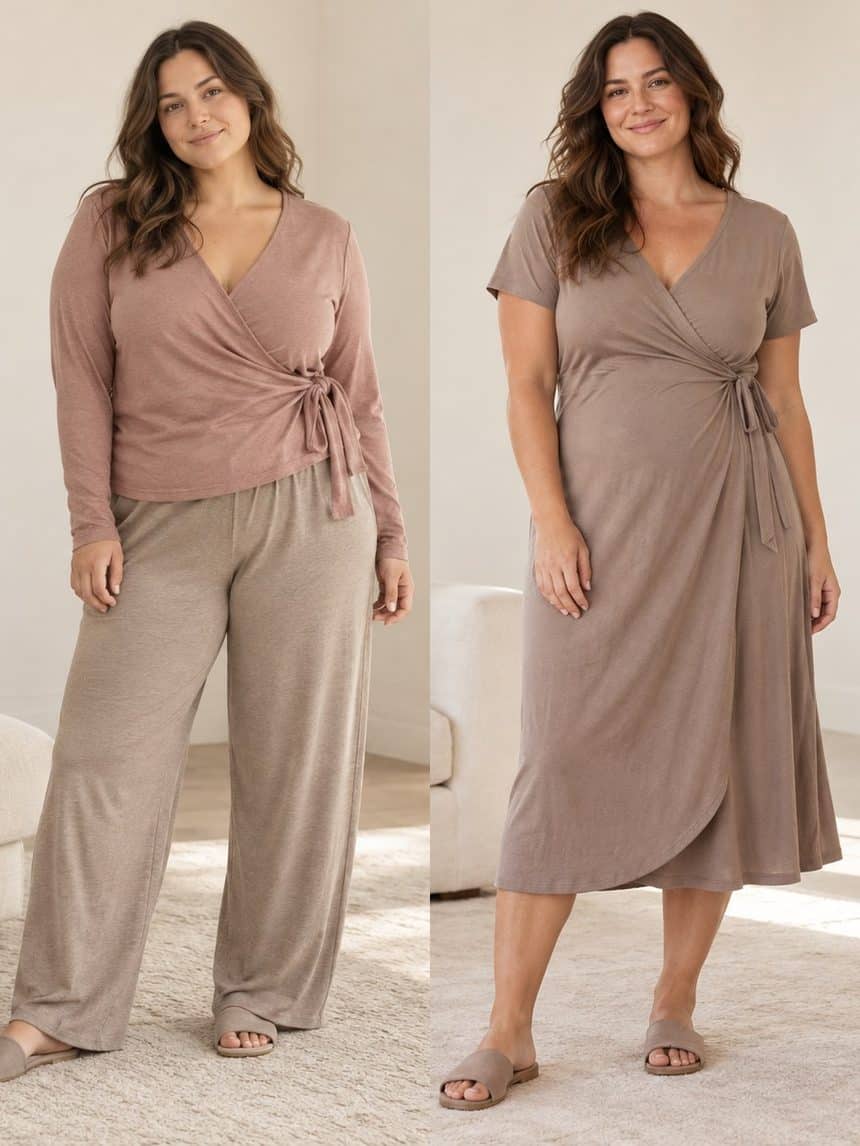
Twenty soft pieces, twenty-five outfits for the first weeks home, every one opening for a feed. $14.99 once, yours to keep.
See the capsuleGood to know: Wash and dry them fully between uses as Medela recommends, and keep the lids with the bottles so nothing goes missing.
9. Vtopmart Clear Breastmilk Storage Containers
An organizer can hold sealed milk bags in rows so dates are easier to see. Check the Vtopmart container dimensions and whether the exact product is suitable for your freezer. These bins organize sealed bags; they are not containers for pouring milk into directly.
Good to know: Measure your freezer drawer before ordering so the containers actually fit.
Free · eight questions
What to buy first, in the order to buy it.
The Order asks about your feeding, your season and your days, then gives you twelve pieces in the order they earn their place, with a picture and a shop link for each. Nothing you do not need.
Free. The list can be emailed to you so it is there in the shop.
How to store breast milk safely
Label each container with the date the milk was expressed. If you combine cooled milk from different sessions, use the date of the oldest milk for storage limits. Add your child’s name and any other details required by their caregiver.
Free · takes ten seconds
Whatever time you have today, it counts.
Tell The Window how many minutes and how many hands you have free, and it picks one small thing for you: a stretch, a shower, a page of a book, ten minutes of nothing. A jar counts them up over the week.
No email needed. Works on your phone, one-handed.
CDC’s home-storage guidance for freshly expressed milk is up to 4 hours at 77°F (25°C) or colder, up to 4 days in a refrigerator at 40°F (4°C) or colder, and about 6 months as best quality in a freezer at 0°F (-18°C) or colder, with up to 12 months acceptable. If your baby is premature or unwell, follow their care team’s instructions, which may be stricter.
Thaw milk in the refrigerator or in warm or lukewarm water, not in a microwave. For milk thawed in the refrigerator, count the 24-hour limit from when it is completely thawed. Once milk is warmed or brought to room temperature, use it within 2 hours without extending an earlier storage deadline. Never refreeze fully thawed milk. Milk left after a bottle feed should be used within 2 hours after the feed ends, or discarded sooner if another limit applies.
Store bags at the back of the freezer, not in the door, where temperatures change each time you open it. And use the oldest milk first.
Storage that fits your needs
You do not need a large freezer stash to prove that you are doing enough. The amount to store depends on your baby’s needs and your plans. If you are worried about intake or milk production, speak with your baby’s clinician or a lactation professional rather than judging by freezer bags alone.
Choose storage that works for your routine and follow the instructions for the container and milk. The focus is on you, mama.

You deserve to be looked after too
A stylist who already knows you, every morning.
The Atelier is Anah every morning, already knowing your season, your shape and your closet. The community, the magazine, the planner, and Dress me for the mornings when choosing is the hard part.