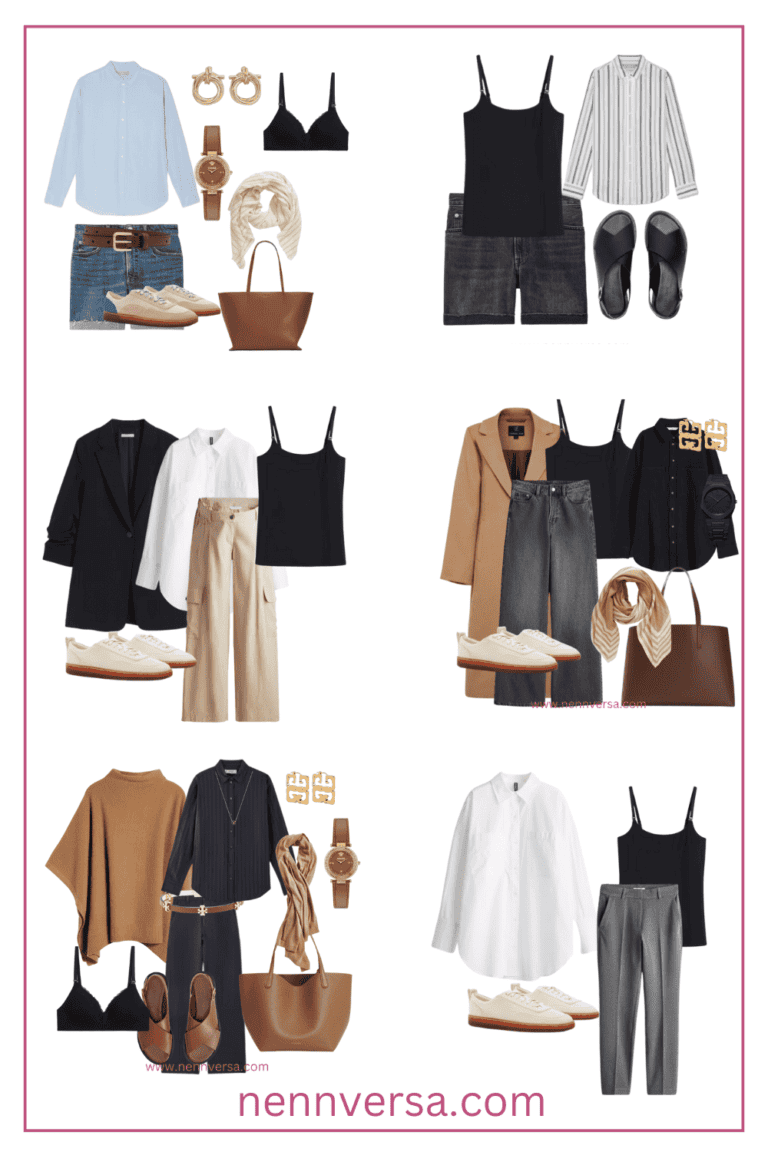
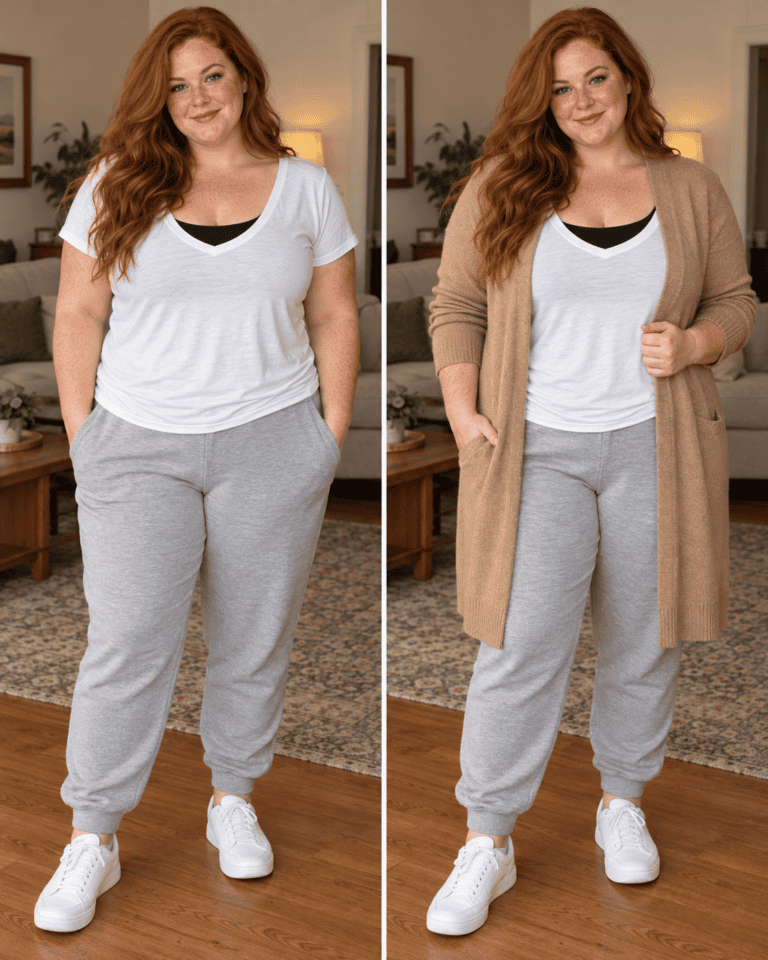
The baby has clean clothes. The tiny socks have a drawer. Meanwhile, the one bra you like is still drying, your comfortable top is in the wash, and the spare you packed last week never made it back into your bag.
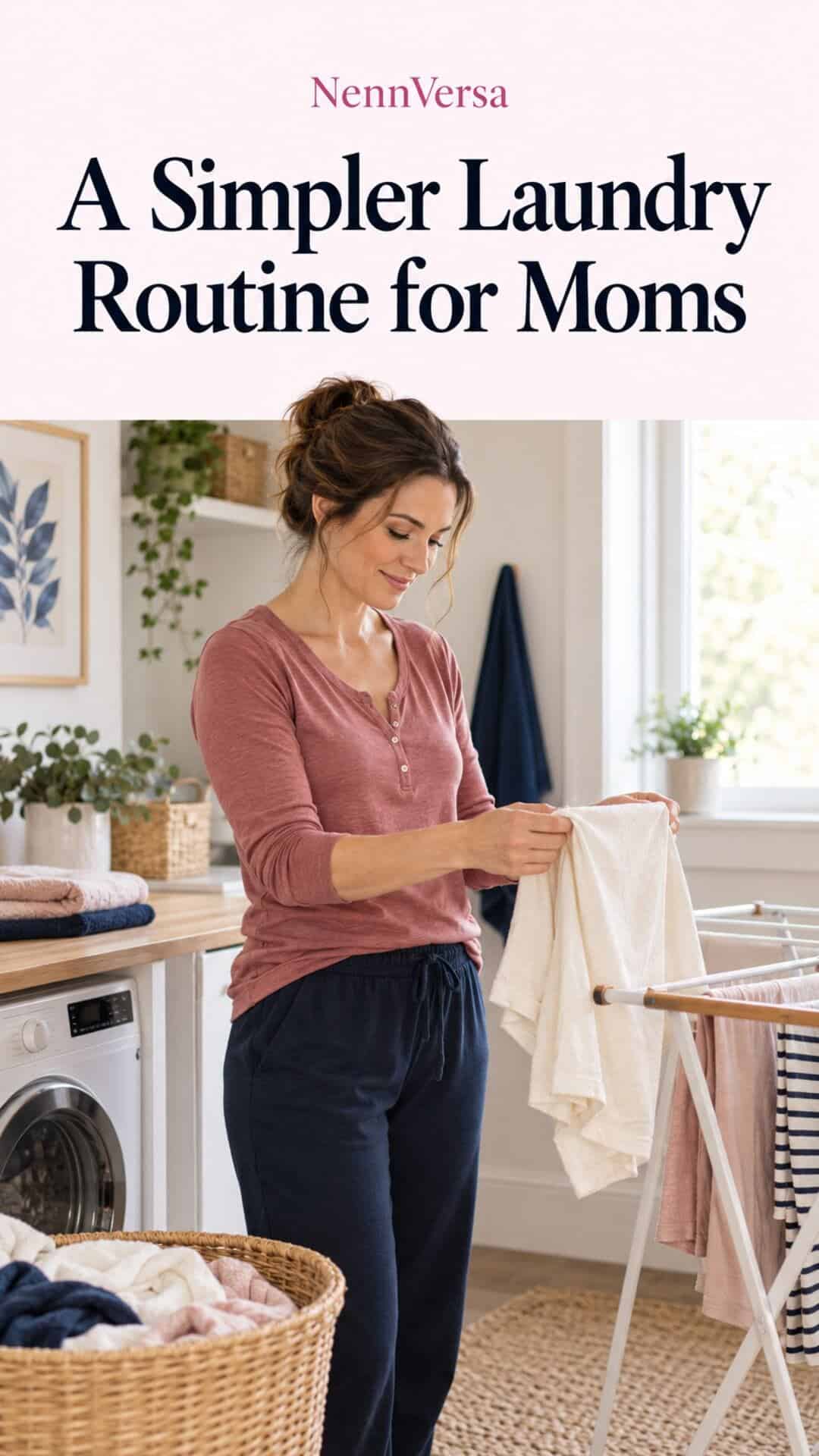
A useful postpartum laundry system makes your clothes part of the plan. It does not require a spotless utility room or a perfectly folded drawer. It needs a reliable route from used to clean to ready.
Start with the items that make tomorrow possible: comfortable underwear, the bras you use for feeding or pumping, accessible tops, and sleepwear. Then build a routine around how often those items actually need washing and how long they take to dry.
Find the bottleneck before buying more clothes
Think about the last time you had “nothing clean to wear.” Was everything dirty? Was the washing done but still wet? Were clean clothes sitting in a basket? Or was the right item clean but somewhere nobody could find it?
Each problem needs a different fix. A washing bottleneck may need a smaller priority load. A drying bottleneck may need more drying time or a better place to lay items out. A putting-away bottleneck may need a simpler drawer, not another wash cycle.
Watch your routine for a few ordinary days. You do not need a formal tracker; a note on your phone is enough. Notice which items run out first and what stops them returning to use.
Choose a small priority rotation
Pull together the clothes you reach for repeatedly: a few comfortable tops, bras that work with your feeding setup, underwear, and the sleepwear you like. Include the spare top in your bag or at work, because it needs replenishing too.
There is no universal number of nursing bras or tops every mother needs. Leaking, perspiration, laundry access, climate, drying time, and personal preferences all affect the quantity. Start from your actual changes rather than someone else’s shopping list.
For planning only, use this estimate: the number you usually use before washed items become fully dry and available again, plus the spare you want to keep. This is a supply estimate, not a rule about how long to wear a garment.
For example, if one clean top lasts you a day and your washing-and-drying turnaround is four days, four tops cover that cycle; one spare makes five. If you usually need two tops a day, the same turnaround would use eight before the spare. Change the inputs to match your life.
Set up a used-to-ready route
Give used clothes an obvious destination
Put a hamper where you actually change. A basket near your bedroom may do more for the routine than a perfect system in another room. Empty damp clothing from a transport pouch promptly when you get home, rather than leaving it sealed until the next outing.
Keep clean clothes separate from used ones. If you carry a spare and a used-clothing pouch in the same bag, make the two easy to tell apart by color or location.
Make special care easy to recognize
Read the care labels on your most-used pieces once and keep a short note where the household can find it. If one bra must air-dry and another item needs a gentle wash, say that plainly.
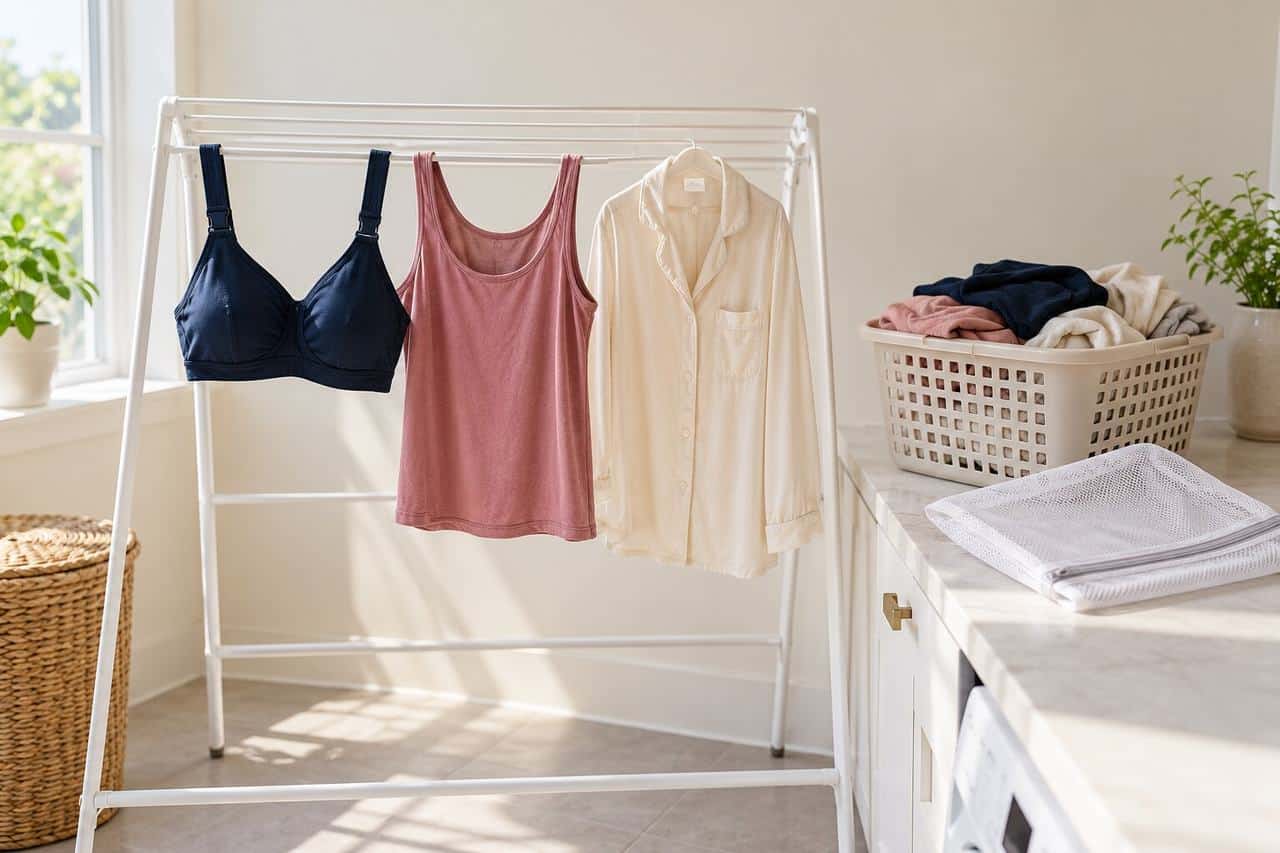
A mesh bag can help contain small washable items if their manufacturer permits machine washing. It does not make an unsuitable wash cycle safe for a delicate garment. Fasten hooks and follow the item’s instructions.
Leave enough drying space
Do not plan tomorrow’s outfit around a bra that routinely needs longer to dry. Space items out and use the drying method on the label. Some pieces may need to lie flat rather than hang by their straps.
Put clothes away when fully dry. If one essential takes too long, reconsider the wash timing, the drying setup, or whether one extra usable piece would solve the gap.
Use a simple stain routine
For a washable garment with milk or spit-up on it, remove excess gently and check the care label before treating it. Use a fabric-compatible stain product according to its directions, and test in an inconspicuous area if needed.
The American Cleaning Institute recommends prompt treatment, laundering according to fabric care instructions, and checking that a stain is gone before using the dryer. Its guide suggests enzyme-containing pretreatments for dairy stains; the garment and product labels still determine whether a treatment is suitable. ACI stain-removal guide.
You do not need a shelf of homemade mixtures. Use one appropriate product as directed, keep laundry products out of children’s reach, and do not mix cleaning chemicals. A stain that remains after washing may need another suitable treatment; it does not require you to keep escalating products.

If an item is dry-clean-only, wool, silk, or otherwise delicate, use its specific care directions or a professional cleaner’s advice. A routine for a washable cotton tee should not be applied automatically to every fabric.
Build a rhythm around tomorrow’s needs
Choose a predictable point to check your priority items: after dinner, before a workday, or when the baby clothes go into the wash. Ask, “Do I have the top, bra, and sleepwear I need next?”
You may prefer a small regular load or a few scheduled wash days. Neither is inherently better. Choose the rhythm that fits your machine access, household, and drying space, then allow room for unexpected changes.
Do not make the schedule a reason to stay in damp or soiled clothing. Change when needed and adjust the rotation. The system exists to make clean clothes available, not to ration them.
Make putting away the easiest part
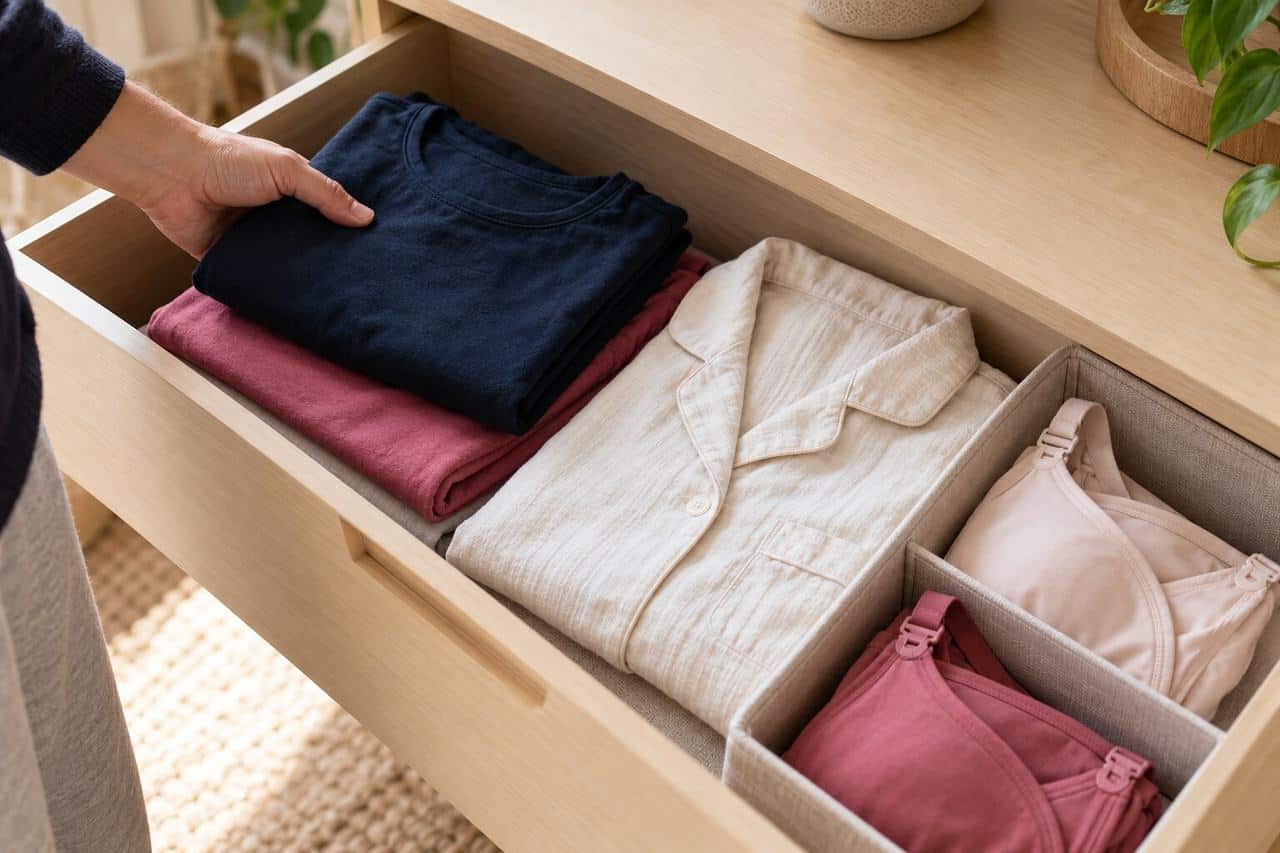
Create one accessible drawer or shelf for your high-use items. Tops can be stacked or loosely folded; bras can have their own section. The method only needs to let you see what is ready.
Choose a visible home for the spare top that returns to your bag. Putting it with your everyday laundry may mean it never gets repacked. A small “ready to return” spot beside the bag can close that gap.
If folding delays the whole process, simplify it. Clean underwear does not need a display-worthy arrangement. A usable drawer is a successful drawer.

From the capsules
The Back to Work Capsule
Two hundred workday outfits, every top opening for the eleven o'clock pump. $27 once, yours to keep.
Share the whole task
“Please help with laundry” can leave you managing every next step. Try a complete request: “Please wash these according to the labels, dry them, and put the tops and bras back in this drawer.”
Show the routine once, including which items are priority and which should not go in the dryer. Another adult can own the process without needing you to notice every empty drawer.
If someone asks how they can help after the birth, returning your clean clothes to their home is a concrete job. Your laundry belongs on the list alongside meals and baby supplies.
Keep clothing care separate from feeding-equipment care
This routine covers clothes and washable textile items only. Pump parts, bottles, and milk containers need their own cleaning and storage procedures. The CDC recommends cleaning pump parts after every use; follow its guidance and the manufacturer’s instructions. CDC workplace pumping and cleaning guidance.
Wash reusable breast pads according to their own directions and dry them completely before storage. Do not assume that a clothing stain remover, fabric softener, or disinfectant is appropriate for every reusable product.
Buy only what fixes the bottleneck
A mesh laundry bag, a compact drying rack, or a simple drawer divider may help. So might one additional bra that you already know fits. If putting clothes away is the problem, buying more clothes can make the pile larger without improving the routine.
Check rack dimensions, care-label compatibility, and whether the item solves a problem you have actually noticed. Use an ordinary basket you own before buying a matching set.
Your questions, answered
Do I need to wash everything separately?
Sort according to care instructions, colorfastness, and soil level. A “nursing” label does not automatically mean a garment needs its own load. Follow any specific care advice you have been given for a health issue.
How often should I wash a nursing bra?
There is no one schedule that fits every situation. Follow the garment’s instructions and change and wash it when it becomes wet, soiled, or uncomfortable. Plan enough usable bras for your actual wash-and-dry turnaround.
What if I cannot keep up?
Reduce the target to the items needed for tomorrow and ask for practical help where available. A small clean rotation is more useful than an ambitious system nobody has time to finish.
The Nursing Mama Fashion Commandments
Twelve rules I wish someone had told me postpartum. Print them. Screenshot them. Live by them.
- Nursing bra always. Regular bras become instruments of pain the day letdown surprises you.
- Nursing pads on your body + a spare pair in your bag. Every single time you leave the house. No exceptions.
- Extra top in your bag — for YOU, not the baby. Because leaks, spit-up, and coffee-spills don’t care about your outfit plan.
- If it takes more than 5 minutes to figure out how to nurse or pump in it, it’s not the right outfit today. Feeding access is comfort. Comfort is not optional.
- Belt under the bust (empire) or below the belly with drape — never at the belly button. Your postpartum body deserves flattery, not compression.
- Comfortable waistband is non-negotiable. Elastic, wrap, or pull-on. Zippers are a Sunday-only luxury for now.
- Dark tones, prints, or textures — not thin light solids. Because letdown marks are real and you deserve clothes that don’t advertise them.
- Machine-washable everything. Dry-clean is not real-mama fashion. If it can’t survive a spit-up rinse, it’s not in rotation.
- Cross-body bag only. Hands stay free for the carrier, the toddler, the coffee, the door, the meltdown.
- Comfortable shoes always. You’re carrying a car seat and a diaper bag. This is not the season for a heel you can’t run in.
- Get dressed BEFORE the kids see you if you can. It changes the whole day — for them and for you.
- One accessory — earrings, a lip color, a scarf — counts as “put together.” That’s the whole game. You get to feel like yourself again.
Make one outfit available for tomorrow
Find the first missing step in your routine and solve that step: start the priority wash, make drying space, or return clean clothes to the drawer. You do not have to finish every load to make the next morning easier.
For help building a wardrobe around clothes you can comfortably wear and realistically care for, explore The NennVersa Atelier. Your everyday needs deserve a place in the household routine.