“Let me know if you need anything” is kind, but it leaves you with another job: noticing the task, choosing a person and explaining it while you are already tired. A short list of useful requests can turn a vague offer into practical help.


A postpartum visit should fit the household’s needs. You can welcome company, ask for a doorstep delivery, postpone the visit, or decide that today is not a visiting day. None of those choices needs to become a permanent rule for every family.
The most useful request often has four parts: a specific task, a time, any essential instructions, and a clear finish. “Please help with laundry” is a beginning. “Please wash these tops using their labels and return them to this drawer” is a task someone can complete.
Choose the kind of visit you actually want
Before suggesting jobs, decide whether you want company at all. Some days you may enjoy talking while someone folds clothes. Other days the most helpful visit ends at the door.
| What you need | A request you can send |
|---|---|
| Food, without company | “A meal would help. Could you leave it at the door and text us?” |
| Help in the house | “Would you be comfortable doing a short kitchen reset while we settle in?” |
| A little company | “I would enjoy a short visit. Please do not expect me to host or get dressed up.” |
| Rest and privacy | “We are not having visitors today. We will suggest another time when we are ready.” |
You do not have to attach a chore to every visit, and nobody has to accept a task they cannot do. Clear choices let both sides respond honestly. The goal is support that actually suits the day.
Ask for food that creates little extra work
A meal can be a gift or another decision, depending on how it arrives. Tell the person about allergies, preferences and the storage space you have. Ask for heating instructions if needed and clarify whether a container must be returned.
“Dinner for two adults and the children would be wonderful. We have limited freezer room. Something ready to reheat, with any instructions written on it, would help most.”
Groceries may be more useful than a cooked meal. Send a short specific list or ask whether the visitor can collect an order you have already placed. Avoid an arrangement that requires you to supervise a long shopping conversation while feeding.
Give laundry a complete destination
Clean feeding tops, underwear and comfortable bottoms may matter more than a perfectly arranged nursery. Point out which clothes can be washed together, which care labels need attention, and where the finished items belong.
A useful request is: “Please wash and dry these according to the labels, then put the tops here and the underwear in this drawer.” If you prefer to sort intimate items yourself, ask for a different part of the task.
One ready-to-wear outfit beside the bed can make the next morning easier. You do not need a visitor to style you; you may simply need someone to return the clothes you already like to a usable place.
Offer household tasks that need little supervision
Choose jobs a visitor can complete without repeatedly interrupting you. Emptying ordinary household bins, unloading the dishwasher, wiping a kitchen surface, collecting a parcel or refilling the water jug may be enough.
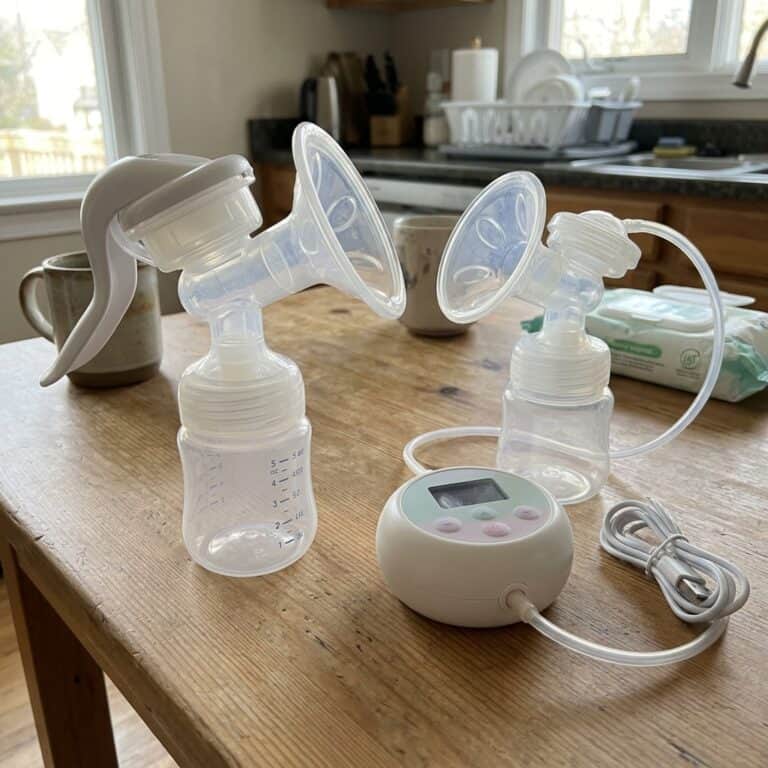
Explain any important limits. A person who is happy to wash dishes may not know your pump-cleaning routine. Keep infant-feeding equipment care with someone who knows and follows your device instructions and current hygiene guidance; do not treat it as interchangeable with washing a mug.
If you would feel uncomfortable having someone enter bedrooms or rearrange cupboards, say so. Help does not require giving up privacy or control over your home.
Be specific about childcare
If you want a trusted, capable visitor to care for the baby while you eat or wash, agree on the care task and when they should come for you. If you prefer to keep the baby with you, ask them to do a household job instead.
Older children may appreciate familiar company. A planned game, school pickup or outing can help, provided the person is someone you trust and the arrangement is appropriate for the child. Give necessary information once, and be clear about transport and return plans.
“Hold the baby” is not automatically the most useful offer. The useful task is the one that relieves the need you have named.
Set arrival and departure expectations
Give a time window you are comfortable with and make clear that plans can change. Ask visitors to follow your household’s health precautions and any advice your baby’s care team has given. There is no universal visiting timetable that fits every recovery or family.
“We would love a short visit tomorrow afternoon if the day goes as planned. Please message before leaving. We may need to cancel or end early, and we will not be preparing food or drinks.”
If managing messages is draining, ask a support person to handle arrangements. They can send updates, confirm timing and end the visit without requiring you to explain the same boundary repeatedly.
Make it easy to say no or change the plan
A request can be warm and direct: “Thank you for offering. We need quiet today, so a doorstep drop-off would work better.” You do not need a long account of feeding, bleeding, sleep or your relationship to justify the decision.
If someone arrives unexpectedly, you can decline the visit. If someone ignores a boundary, a support person can repeat it: “Now is not a good time. We will contact you about another day.” An explanation is optional; a debate is not required.
Common questions
Is it rude to ask a visitor to help?
You can make a polite request and let them choose. “If you would like to help, this would make a difference” is clear without assuming they are available for every task.
What if I want company but do not want anyone holding the baby?
Say that. You can enjoy a conversation while keeping your baby with you. Holding the baby is not the price of admission.
What if I have no visitors?
Consider whether someone could help remotely with ordering groceries, organizing a meal delivery or handling a practical call you have authorized. If support is very limited, mention this to your care team and ask about local services.
Write a request you can reuse
Use My Support & Boundaries Plan to choose helpful tasks and draft a message. Keep the wording in your voice. A visit does not need to leave you with a clean house, but it should not require you to perform being comfortable when you need care yourself.