Your bag can be beautifully organized and still be the wrong bag for you. The straps slide off, the opening is too narrow, or you dislike carrying it with every outfit you own. By the time you add your own things, the bag is already full.
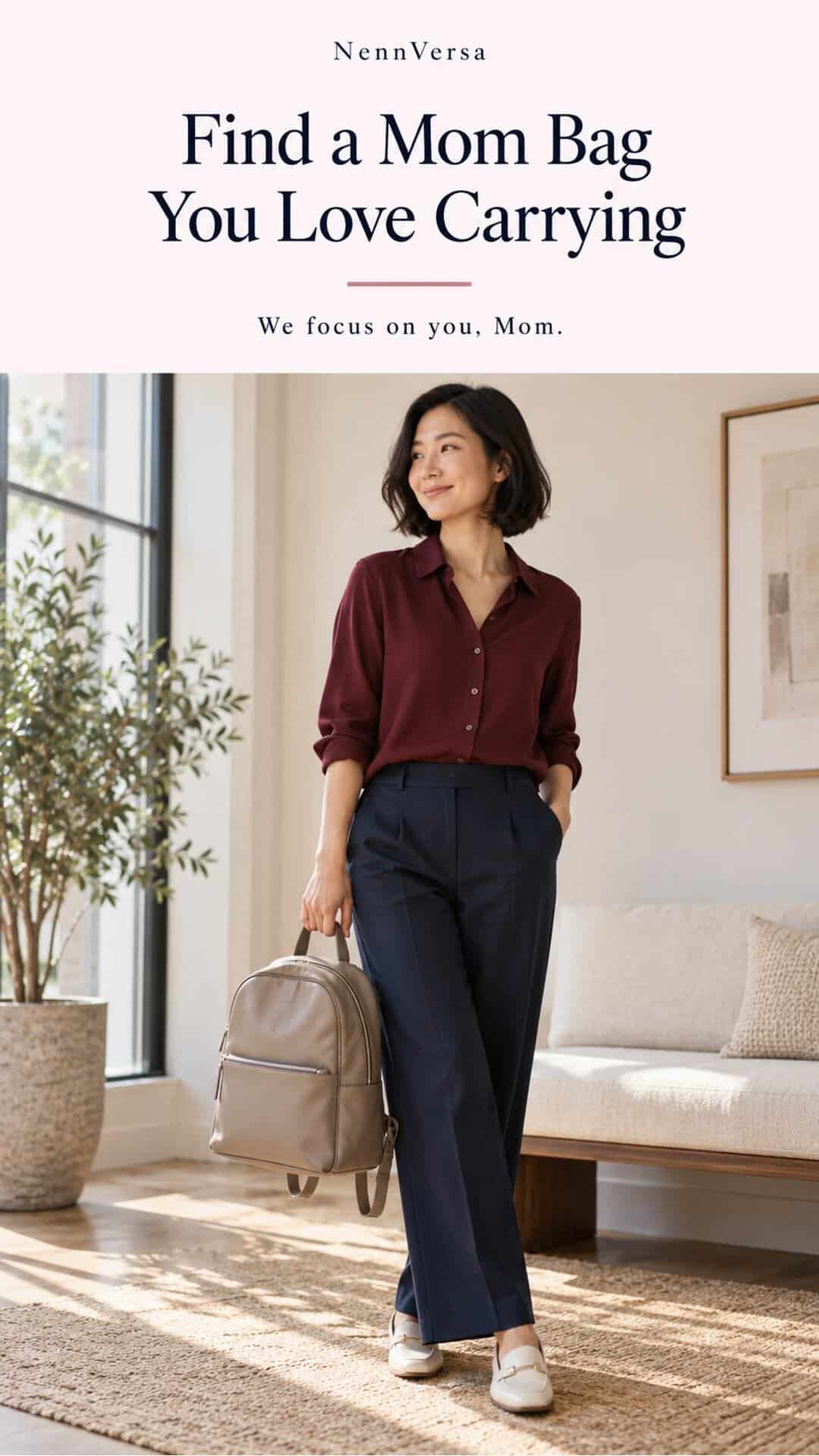
A good mom bag needs to suit your actual load, the way you travel, and the clothes you enjoy wearing. It can be a backpack, tote, crossbody, or a combination of smaller bags. There is no single shape that works for every postpartum mother.
Before shopping, test the bags you already own against a typical day. The result may be a new bag, a lighter packing list, or a simpler way to switch between outings. All three can be useful.
Define one real day the bag must handle
Choose your most common outing rather than your most complicated hypothetical one. A short school run, a day at work with a pump, and a long family visit have different requirements. A bag selected for the longest possible day can feel unnecessarily bulky on every other day.
Write down what you actually carry: your personal essentials, the baby’s items, any feeding equipment, a clothing backup, and anything specific to work or travel. Then mark which items need quick access and which can stay securely at the bottom.
Include the containers as well as the contents. A cooler, pump case, or rigid lunch box may determine the bag’s usable size more than several folded garments. Measure those pieces before relying on a capacity number in a product description.
Compare the shapes by how you move
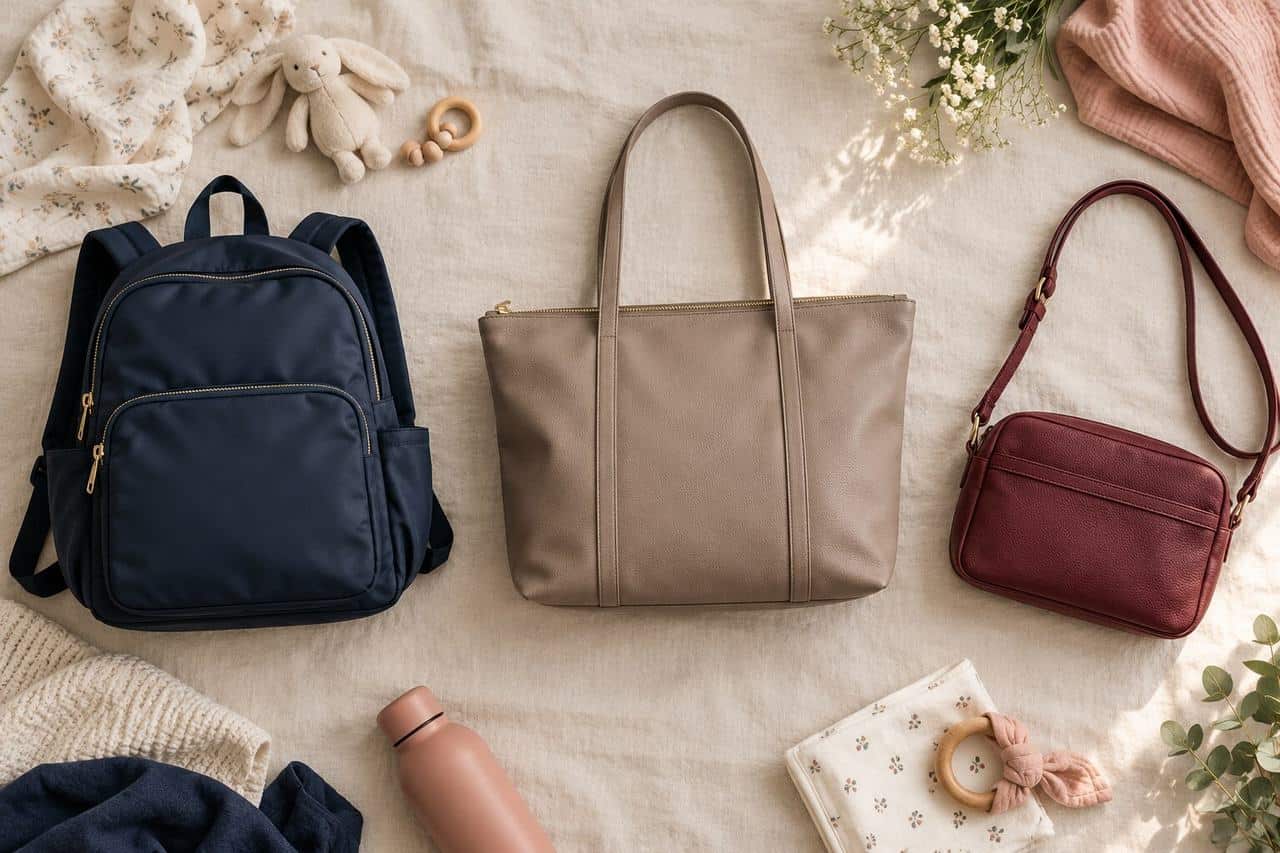
A backpack for a load you want to carry on both shoulders
A backpack can leave your hands available and spread the load across two shoulder straps. Check how it feels when packed, how easily the straps adjust, and whether you can put it on and remove it comfortably.
Think about access. Some backpacks require a stable surface to open fully. Others have reachable pockets for a phone or keys. A long narrow main compartment may look compact but force you to remove several things to reach the bottom.
A tote for a wide opening and simple packing
A tote can be easy to see into and convenient to set beside a chair. Check whether it closes securely, whether the handles fit over the clothes you wear, and whether you are comfortable carrying the loaded weight that way.
An open-top tote may work in some situations but be less suitable when you are moving through crowded transport or setting it down repeatedly. A zip-top version can help contain contents, provided the zip does not make the opening too small for your largest item.
A crossbody for a genuinely small load
A crossbody can keep personal essentials close and make it easier to move them between larger bags. It can also be enough for some short outings when another arrangement covers the remaining supplies.
A small crossbody becomes less comfortable when it is forced to carry a full day’s equipment. Test the strap position, how the bag rests against you, and whether it interferes with your clothing or other gear. More pockets will not make a small bag hold an unlimited load.
Two bags when the jobs are different
You may prefer a personal bag plus a feeding or childcare bag. This can make handovers easier: another caregiver takes the child’s bag while your wallet, keys, and phone stay with you.
The tradeoff is managing two objects. Try the arrangement through your actual journey before deciding. One large bag is not automatically simpler if you have to unpack it whenever responsibilities change.
Use a packed-bag test before committing
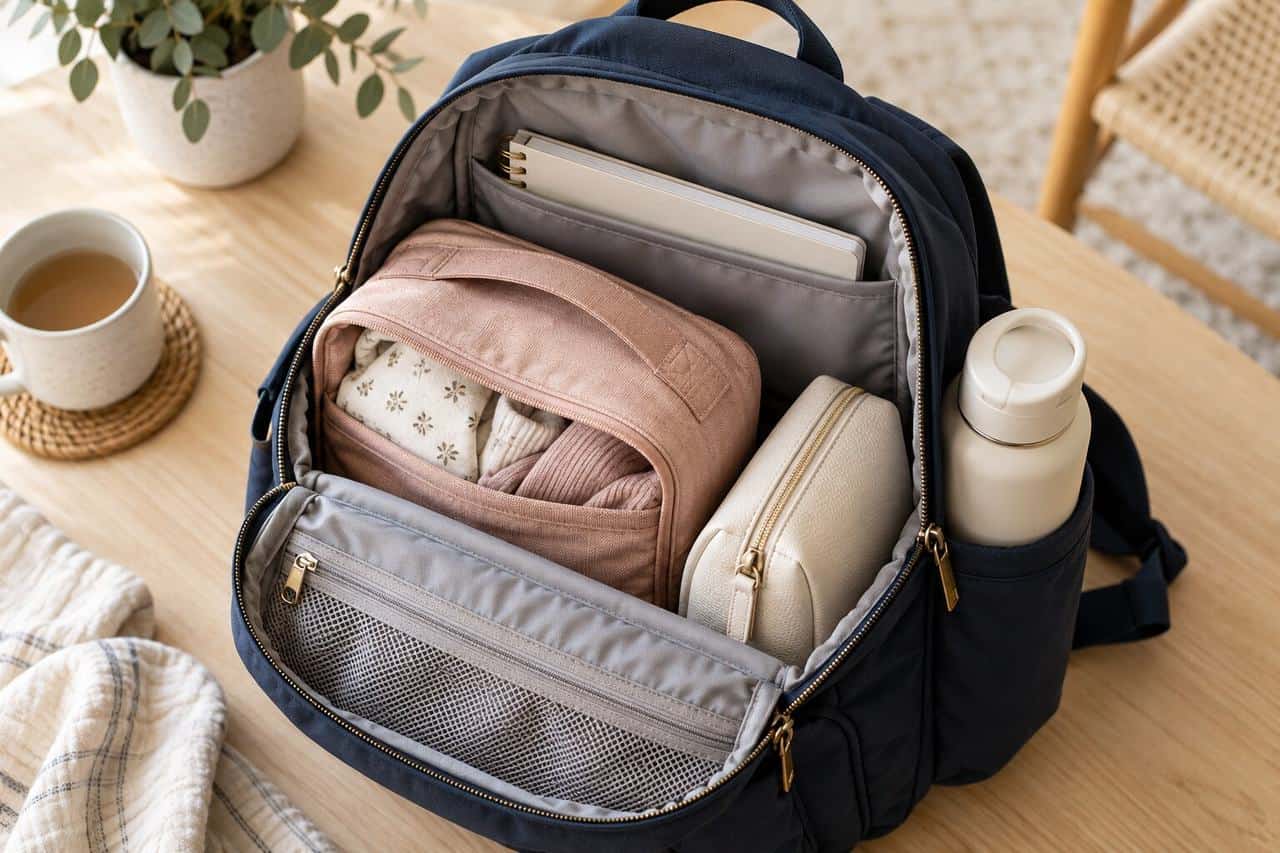
Gather the items for your typical day and pack the candidate bag. If you are testing a new purchase, keep tags and packaging as required by its return policy, and use clean items at home.
Close the bag without forcing the zip. Put it on, walk around, sit down, and take it off. Notice whether the straps dig in, handles slide, the bag hits an awkward place, or the shape becomes uncomfortable when full. Consider any recovery-related lifting advice you have been given.
Next, retrieve your phone, keys, and one frequently used item. You do not need to demonstrate this while holding your baby. Test the bag safely on its own so you can judge whether the opening and pockets are practical.
Finally, remove the largest item and put it back. A bag can have enough theoretical capacity while being awkwardly shaped for the container you use every day. The opening needs to work as well as the interior.

Notice the empty weight
Heavy hardware, thick materials, built-in organizers, and numerous compartments all contribute to the bag before you add anything. Compare the empty weight where the manufacturer provides it, then consider how much your actual packed bag weighs and how it feels.
There is no useful universal weight target for every postpartum mother. Your comfort, route, recovery, and other things you carry matter. If carrying hurts or feels inappropriate for your recovery, reduce the task and seek individual guidance rather than searching for a strap that promises to solve everything.
Also question the load itself. Remove unused duplicates and items that belong at your destination. A lighter packing list may improve the bag you already have more than a new organizer would.
Choose the pockets you will remember using
A few obvious pockets can be more useful than many similar hidden ones. Give secure essentials a consistent location and make frequently needed items easy to identify. You should not need a map to distinguish six nearly identical zip sections.
For small loose items, try one personal pouch and one clothing pouch. Keep clean equipment appropriately protected and separate from used items. Avoid filling every pocket simply because it is there.
If another person shares the bag, choose a layout you can explain in one sentence: “Personal items at the front, clean clothes in the blush pouch, used clothes in the navy pouch.” Clear categories reduce rummaging.
Do not confuse organization with temperature control
If you carry expressed milk, evaluate the actual cooler and ice-pack arrangement independently of the outer bag. An “insulated pocket” description alone does not tell you how the setup performs during your journey.
Use the CDC’s milk-storage guidance or your baby’s individual care instructions to plan transport. Choose an outer bag that accommodates that plan.
Similarly, a waterproof-looking compartment does not make used pump parts ready for reuse. Keep cleaning, drying, and clean storage as separate tasks that follow your equipment’s instructions.
Pick a style you enjoy seeing with your clothes
Your preferences count. If you enjoy clean lines and muted colors, you do not need to choose a brightly patterned bag because it is marketed to parents. If color makes you happy, a burgundy, green, or blue bag can work beautifully with ordinary everyday clothes.
From the capsules
The Year Round Capsule
Two hundred nursing-friendly outfits from fifty-six pieces, fifty for every season, laid out and then worn. $29 once, yours to keep.
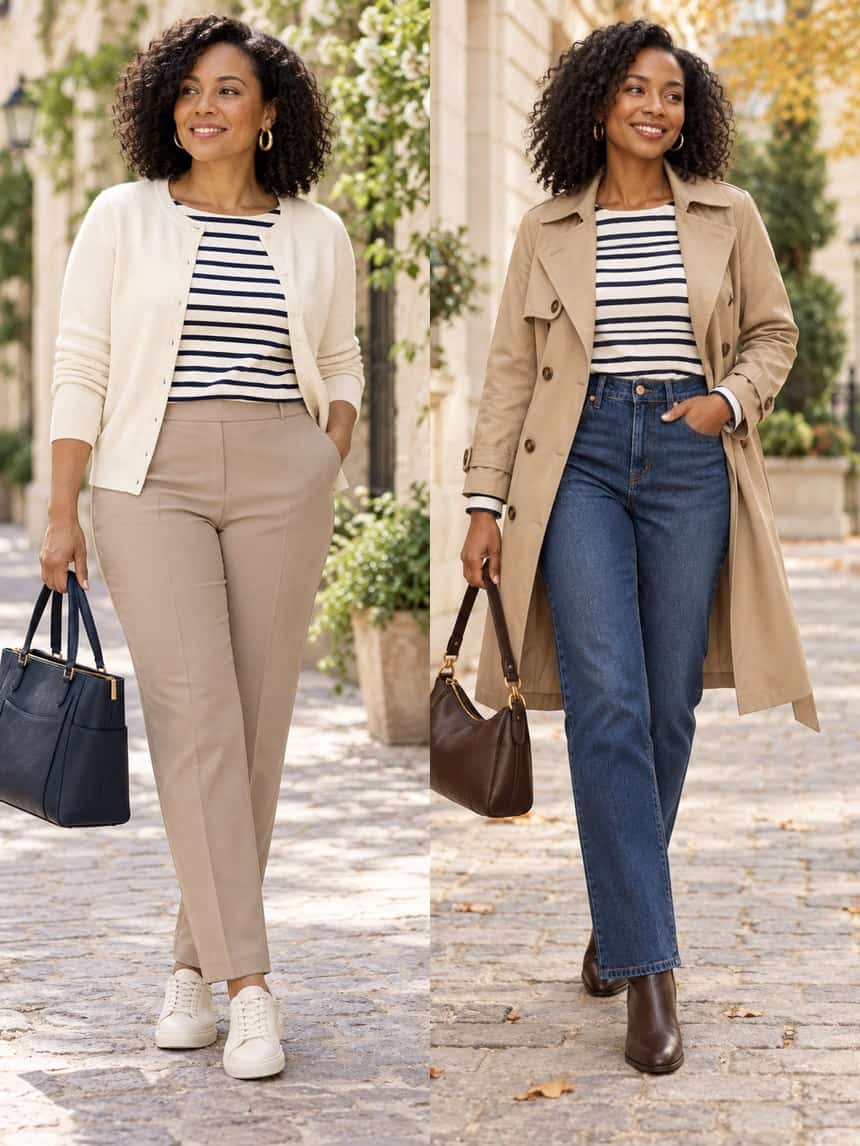
Compare the bag with three outfits you actually wear. Look at its size, shape, and strap placement. A large soft tote creates a different impression from a compact structured backpack, even in the same color.
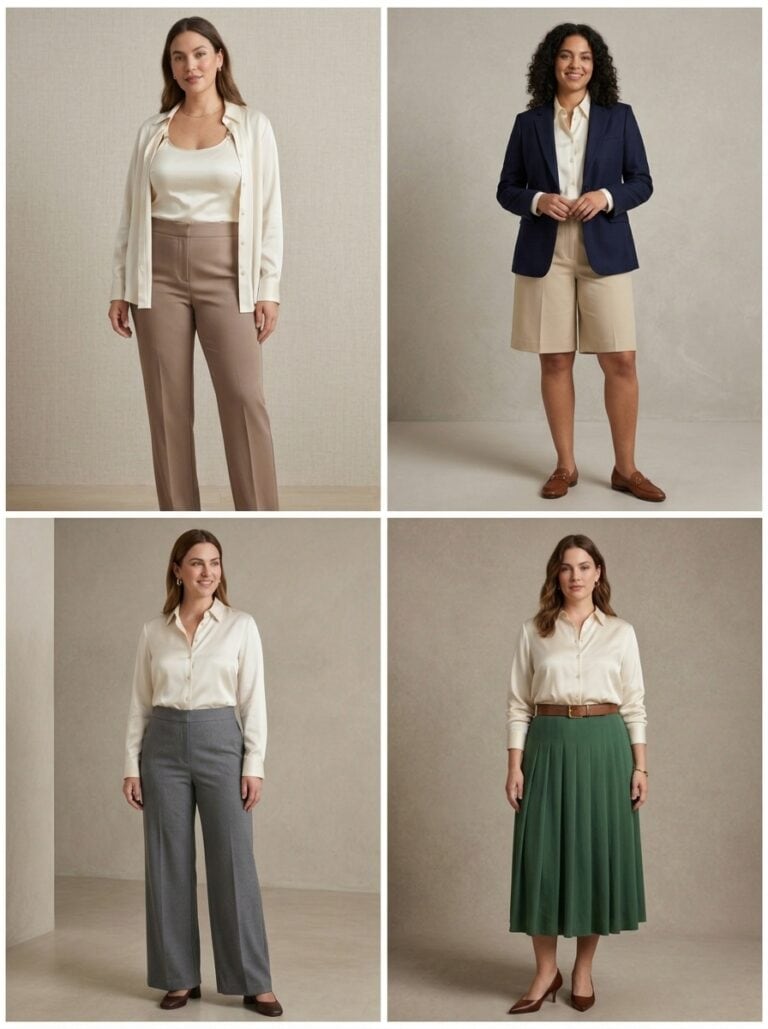
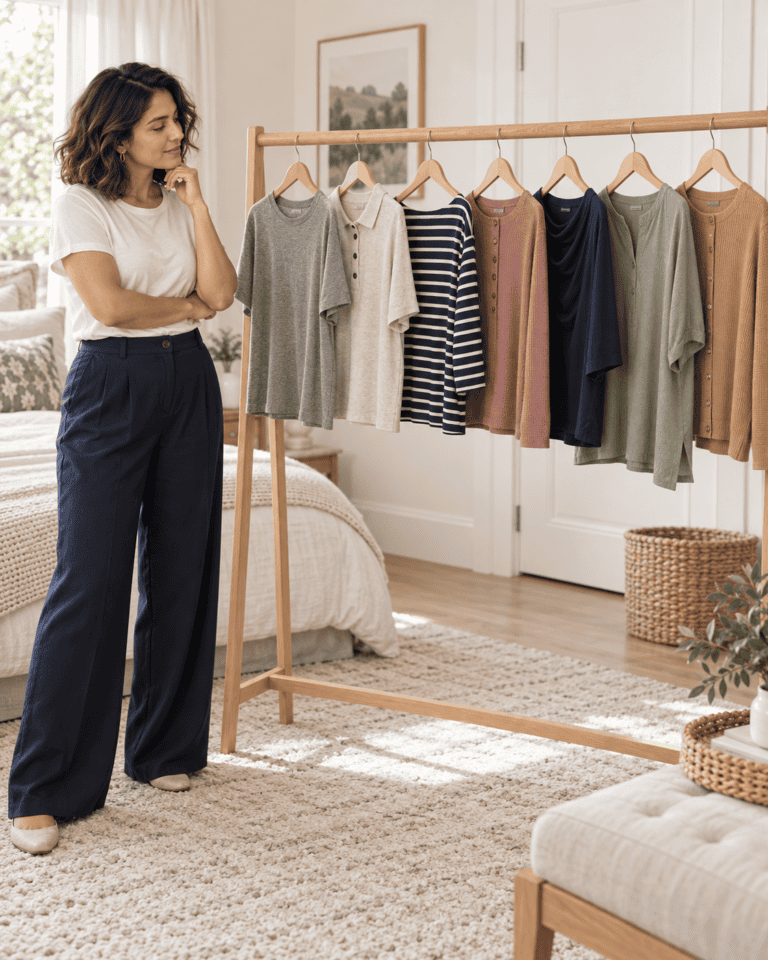
You can also use the bag as your finishing choice. Navy trousers, an ivory shirt, comfortable shoes, and a favorite bag may feel complete without adding several accessories. Practical and personal can exist in the same object.
Check cleaning, wear, and storage
Read the care instructions before purchase. “Wipe clean” and “machine washable” are different claims. Check whether the lining can be reached, whether a removable pouch can be cleaned separately, and whether the material suits the wear you expect.
Look at where the bag will live at home. Will it fit on your shelf when packed? Can you open it at your usual packing surface? Does it stand or hang in a way that keeps the route clear?
If you plan to use a stroller’s storage, follow the stroller manufacturer’s instructions and load limits. Do not assume a bag can safely hang from the handles because it comes with clips. Choose the bag for your supported carrying and storage arrangements.
Make a buying brief before browsing
Write your non-negotiables in plain language: “Fits my cooler upright; closes fully; comfortable straps; washable removable clothing pouch; works with my navy and olive outfits.” Then add a budget you are comfortable with.
Use that brief to compare actual product dimensions, materials, empty weight, opening, care, and returns. Reviews can offer clues about wear and access, but they do not establish that a bag will fit your equipment or body.
Shop the problem you have identified. If your existing backpack fits and feels good but loses small items, a simple pouch may be enough. If it is already uncomfortable empty, more internal organization is unlikely to fix the main issue.
Your questions, answered
Does a mom bag need to be a diaper bag?
No. An ordinary bag can work if it suits your load, access, cleaning, and storage needs. Dedicated diaper-bag features are useful only when you use them.
Is a backpack always best?
No. It depends on your route and preferences. Compare the loaded options and how you reach the contents instead of choosing by category alone.
Should I buy one bag for every situation?
Only if that makes sense for you. A familiar everyday bag plus a larger occasional kit may be enough. Transferable pouches can make changing bags easier.
The Nursing Mama Fashion Commandments
Twelve rules I wish someone had told me postpartum. Print them. Screenshot them. Live by them.
- Nursing bra always. Regular bras become instruments of pain the day letdown surprises you.
- Nursing pads on your body + a spare pair in your bag. Every single time you leave the house. No exceptions.
- Extra top in your bag — for YOU, not the baby. Because leaks, spit-up, and coffee-spills don’t care about your outfit plan.
- If it takes more than 5 minutes to figure out how to nurse or pump in it, it’s not the right outfit today. Feeding access is comfort. Comfort is not optional.
- Belt under the bust (empire) or below the belly with drape — never at the belly button. Your postpartum body deserves flattery, not compression.
- Comfortable waistband is non-negotiable. Elastic, wrap, or pull-on. Zippers are a Sunday-only luxury for now.
- Dark tones, prints, or textures — not thin light solids. Because letdown marks are real and you deserve clothes that don’t advertise them.
- Machine-washable everything. Dry-clean is not real-mama fashion. If it can’t survive a spit-up rinse, it’s not in rotation.
- Cross-body bag only. Hands stay free for the carrier, the toddler, the coffee, the door, the meltdown.
- Comfortable shoes always. You’re carrying a car seat and a diaper bag. This is not the season for a heel you can’t run in.
- Get dressed BEFORE the kids see you if you can. It changes the whole day — for them and for you.
- One accessory — earrings, a lip color, a scarf — counts as “put together.” That’s the whole game. You get to feel like yourself again.
Choose the bag around your day
Pack your typical load into a bag you already own and test it today. Write down what worked and the one thing that did not. That observation is your best starting point for a change.
A bag should help you move through your day and still feel like something you chose for yourself. For more practical postpartum styling and wardrobe support, explore The NennVersa Atelier.