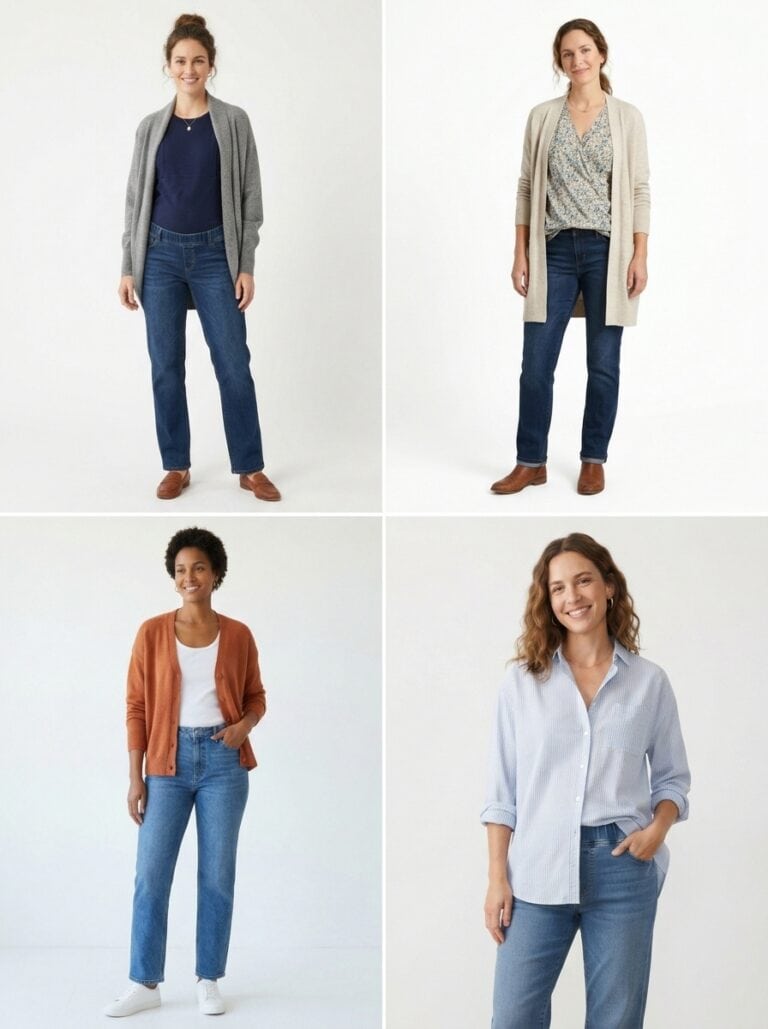
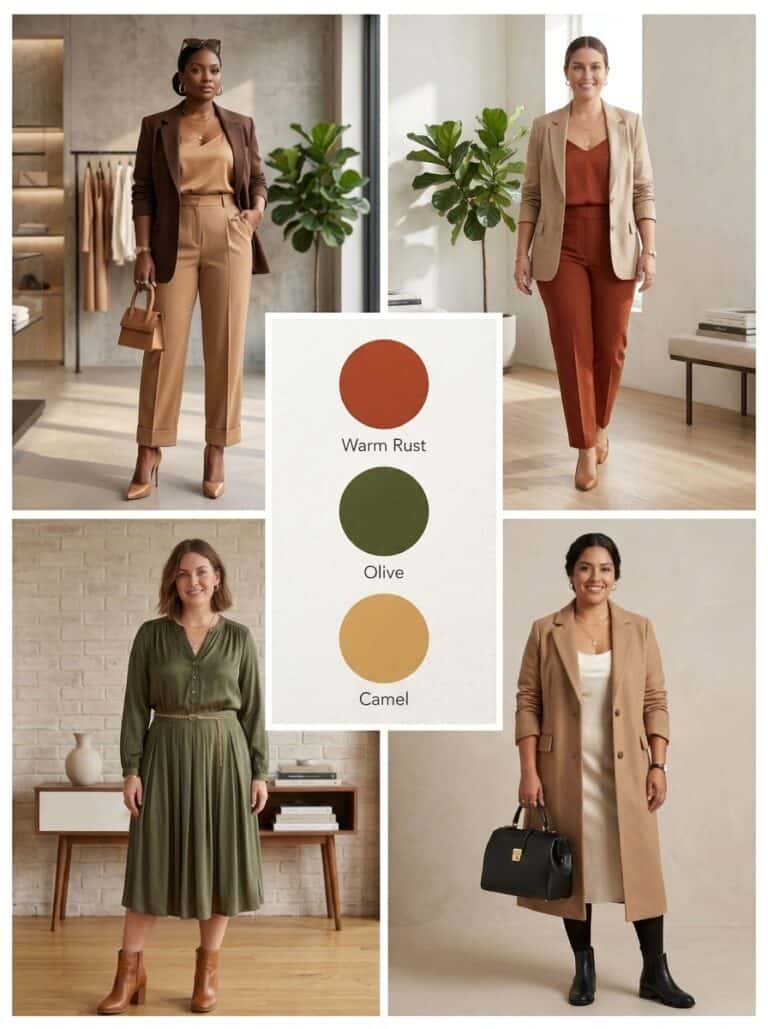
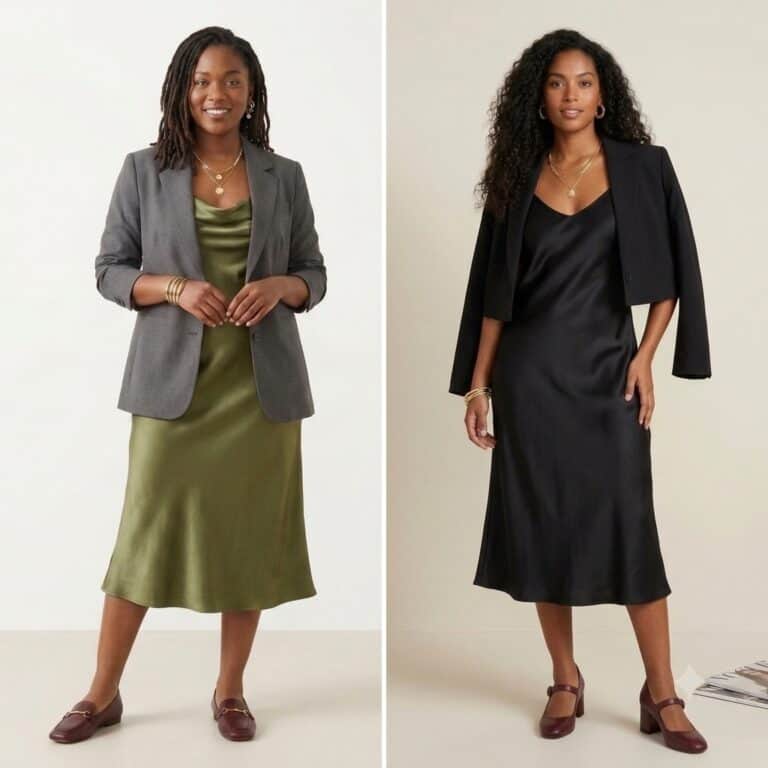
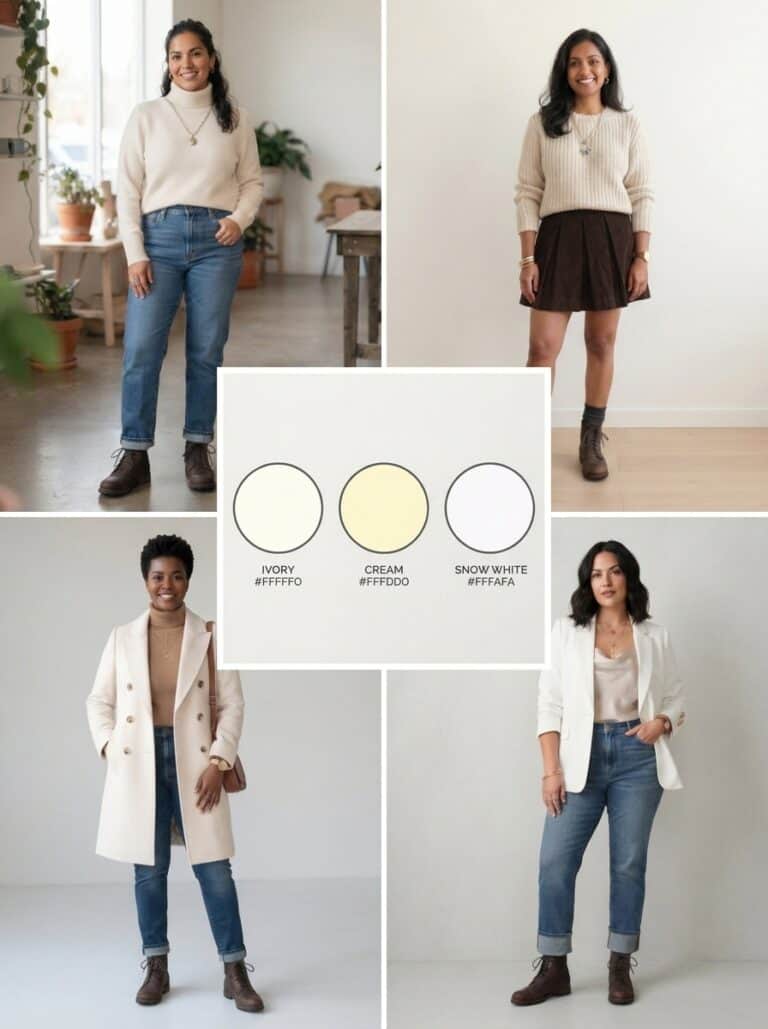
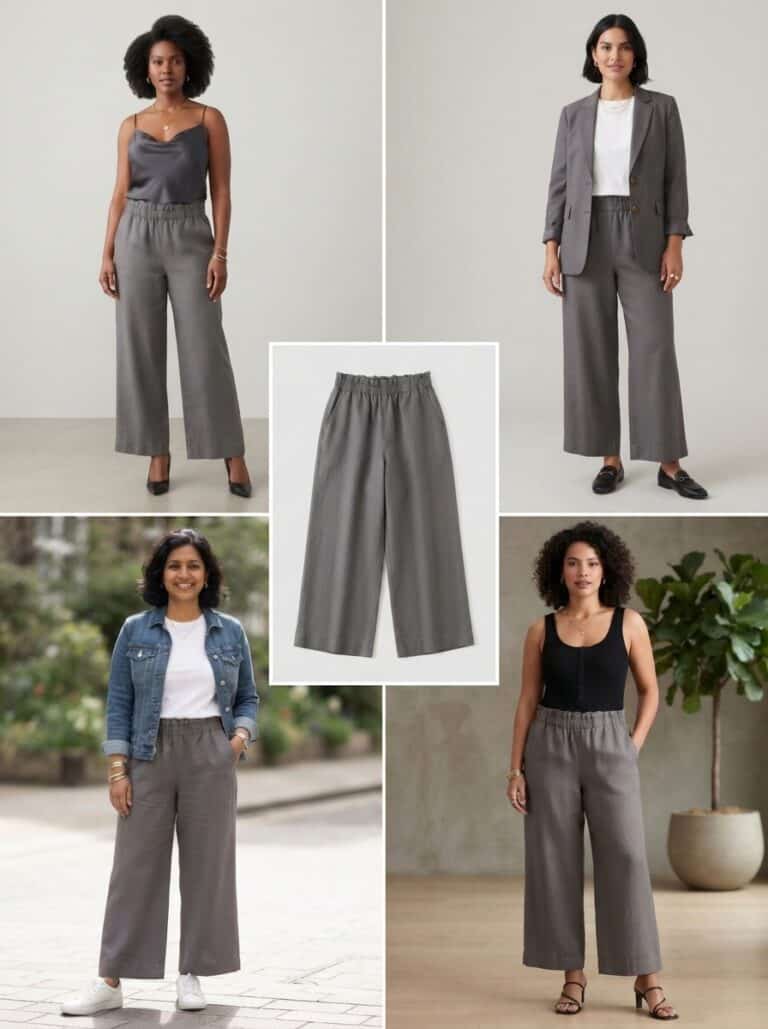
A jumper can feel wonderfully warm until you lift it to breastfeed and realise that your back, middle, and shoulders are suddenly part of the opening too. Add a coat, scarf, and fitted layer underneath, and a simple feed can involve more clothing management than you expected.

Cold-weather dressing works better when you decide where access will happen before you decide how many layers to wear. You can keep the areas you prefer covered while making the opening you need easier to reach.
Start with clothes you already own. The goal is a combination that keeps you comfortable through your actual day, including the warm room you enter after the cold journey.
Choose one main access route
Look at the top closest to your body. Will you open it at the front, lift it, or use a built-in nursing opening? Then check that the layers above it allow the same movement.
An open cardigan over a button-front shirt gives you two front openings. A liftable jumper over a high, non-opening dress creates a different problem: lifting the outer layer still does not provide access.
You can combine different routes, but try the combination before relying on it. A liftable top over a camisole you can move as needed may suit your coverage preferences. It may also feel like too many pieces. There is no requirement to use a two-shirt method if you prefer another option.
Ask yourself a concrete question: “Which piece moves first, and where does it go?” If you cannot answer without taking off several garments, simplify the layers.
Build from the underlayer outward
Your bra and any base layer are the foundation of the outfit. Try them together before judging the jumper, dress, or cardigan above them.
A thermal top can be comfortable under everyday clothes, but a high neckline and snug fit may make it difficult to move. Check whether it has a real opening, enough lift, or another access route you like. A maternity label alone does not tell you how a garment opens for nursing.
If you prefer to keep your abdomen covered, test that coverage while sitting and using the opening. Do not rely only on how the hem looks when you stand straight. The base layer should still allow the movements you need without uncomfortable pulling.
For pumping, use the bra and equipment combination specified for your setup. Rehearse access, placement, and removal separately from breastfeeding. A warm outer layer should not be used to force equipment into place.
Compare four useful cold-weather combinations
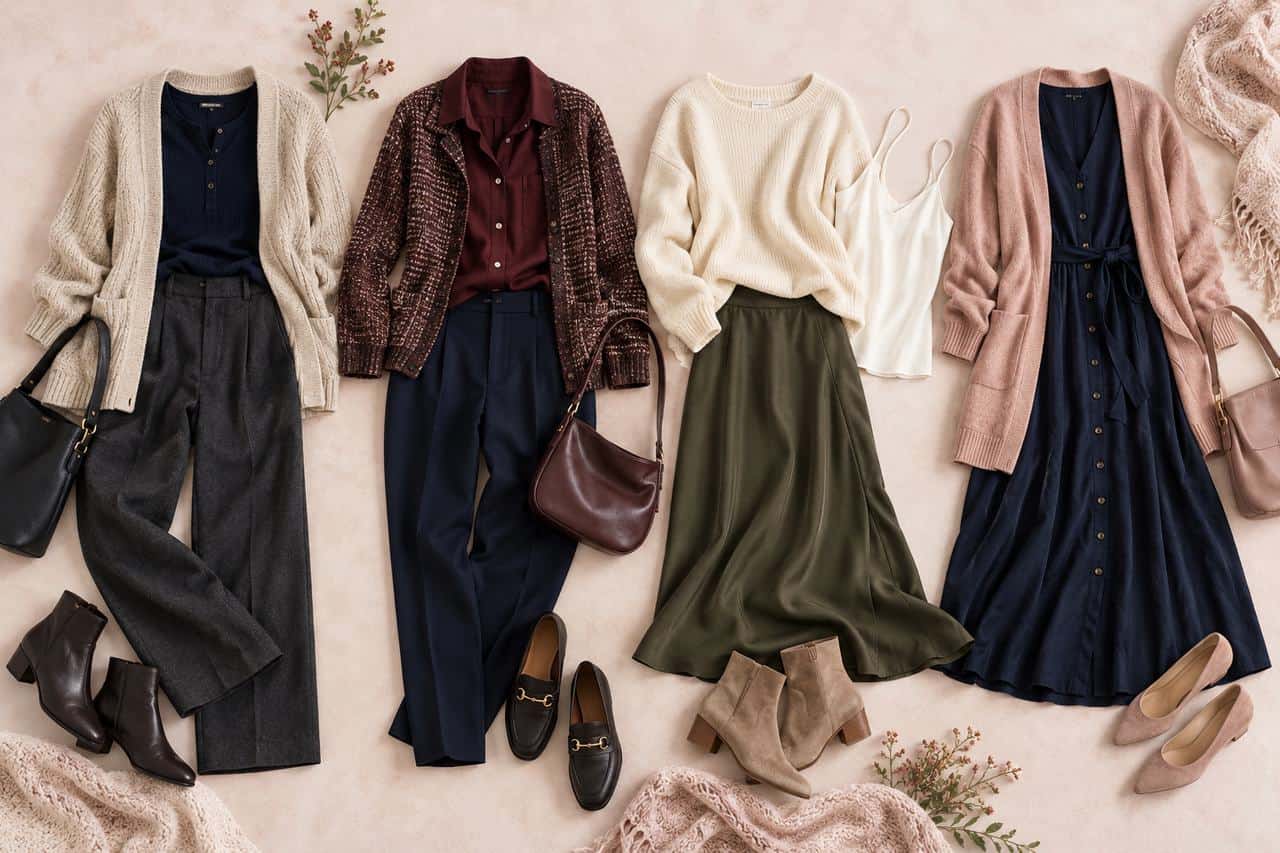
1. An open cardigan over a nursing-access top
Pair a navy nursing-access top with soft charcoal trousers and a long, open oatmeal cardigan. The cardigan can keep your back and arms covered while you use the top’s opening.
Check the cardigan’s front edges and sleeves. If they repeatedly fall across the opening, a shorter style or narrower sleeve may be easier. Try the outfit in a chair: a long cardigan can bunch beneath you even when its standing silhouette looks lovely.
2. A button-front shirt with a warm open layer
A burgundy shirt, dark straight-leg trousers, and an open knit jacket create a combination you can adjust as the room warms up. Choose buttons you can manage and enough room across the bust for the underlayer you will wear.
If the shirt is tucked, check whether you can open it without having to rebuild the entire tuck afterward. A partial tuck or untucked hem may be more practical for your day.
3. A liftable jumper with an optional coverage layer
A roomy cream jumper can work over a base layer whose access you have already checked. Pair it with an olive skirt or comfortable trousers. Lift the jumper while seated and notice how much material gathers at your chest.
A lighter knit may be easier to hold or move than a very thick one. If the optional base layer makes access awkward or leaves you too warm indoors, try a front-opening outer layer instead.
4. A nursing-access dress with a fully opening cardigan
A navy dress with a defined feeding opening, tights you find comfortable, and a soft rose cardigan can feel put together without needing to coordinate several separates.
Check the dress’s inner panel and the position of any waist seam when you sit. The cardigan can provide warmth without changing how the dress opens, provided you like how its fronts move aside.
Choose outerwear that can open comfortably
Your coat does not need a special nursing label. It does need to work with the clothes and activities underneath it.
Try it over the complete outfit. Can you move your arms comfortably? Does the front open enough for the access you want? Can you sit without the hem or fastening pulling? A coat that fits over a thin tee may feel very different over your winter layers.

If you use a baby carrier, follow the carrier and outerwear manufacturers’ instructions for that setup. A wardrobe article cannot establish whether a particular arrangement is suitable. Make your feeding and clothing adjustments somewhere you can manage them comfortably.
A scarf is optional. If you like one, decide where it will go when you feed or pump so it does not become another loose piece you keep rearranging. It should not be the part holding your clothing system together.
Plan for indoor warmth as well as outdoor cold
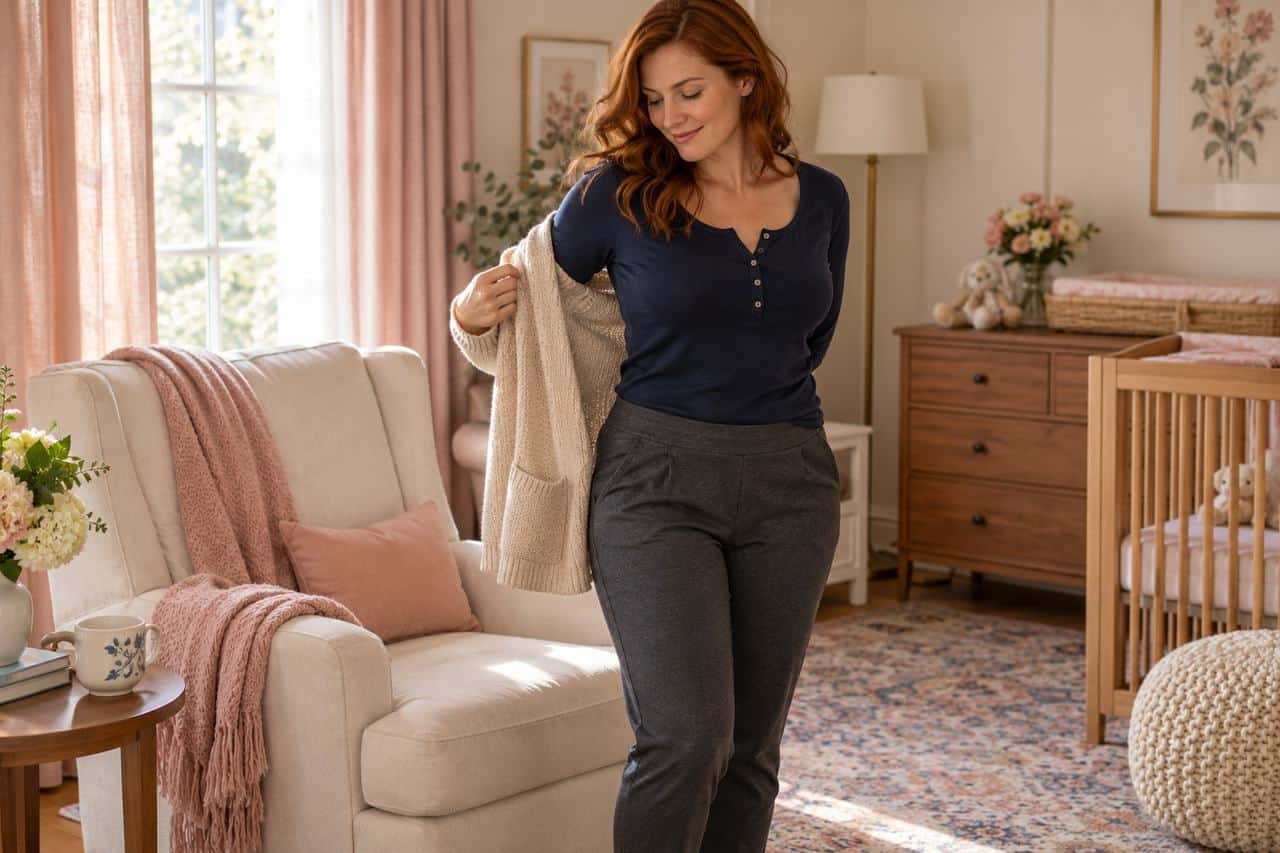
The outfit you need for a cold walk may feel excessive in a heated waiting room. Choose at least one layer you can remove easily without losing your preferred coverage or access.
That might mean a cardigan over a complete indoor outfit, rather than a beautiful jumper over an underlayer you do not want to wear on its own. Think about where the removed layer will go: a bag, coat hook, chair, or basket at home.

From the capsules
The Year Round Capsule
Two hundred nursing-friendly outfits from fifty-six pieces, fifty for every season, laid out and then worn. $29 once, yours to keep.
Use the day’s activities to decide how much warmth you need. A long outdoor wait, a short car journey, and a day mostly inside are different clothing situations. You do not have to repeat the same heavy combination for all three.
If you find yourself adding more and more thin layers, try replacing two awkward ones with one warmer, easily opened piece. Judge the result by comfort and movement, not by a fixed number of garments.
Make a warm-weather-to-cold-weather transition from your own wardrobe
Choose a feeding-friendly top you already use successfully. Add one layer and test the opening again. Then add your preferred bottom and outerwear.
This step-by-step approach makes it easier to identify the problem. If access worked until you added a close-fitting vest, the vest deserves attention. You do not need to replace the entire outfit.
Write down two combinations: one for home or a warm indoor setting, and one for an outing that needs more protection from the weather. Keep the successful underlayer in the note. “Navy top plus cardigan” is less helpful if you later forget which bra and base layer made it work.
Check care labels before making a knit central to your everyday routine. A piece that needs a type of cleaning you cannot manage often may suit occasional wear better than repeated feeding days.
Use a short seated check
- Can I reach the opening with the layers I am actually wearing?
- Do my back, abdomen, or shoulders stay covered to the extent I prefer?
- Where does the lifted or opened fabric rest?
- Can I close and rearrange the outfit without uncomfortable pulling?
- Can I remove one warm layer indoors?
- Does my spare top work with the remaining pieces?
If the outfit needs constant holding, tucking, or tugging, try changing one garment. Easier access should not depend on you getting better at an uncomfortable sequence.
Frequently asked questions
Do all winter nursing outfits need a camisole?
No. A camisole is one option for warmth or coverage. It is useful when its own access works for you and the extra layer feels comfortable.
Can I breastfeed in an ordinary jumper?
Often, if you can lift or open it comfortably and the underlayers allow access. Thickness, length, fit, and stretch matter more than the word “jumper” alone.
Is a nursing hoodie easier than separates?
It depends on the opening and your preferences. Try its actual access route, including any inner panel, rather than assuming the label guarantees an easier outfit.
The Nursing Mama Fashion Commandments
Twelve rules I wish someone had told me postpartum. Print them. Screenshot them. Live by them.
- Nursing bra always. Regular bras become instruments of pain the day letdown surprises you.
- Nursing pads on your body + a spare pair in your bag. Every single time you leave the house. No exceptions.
- Extra top in your bag — for YOU, not the baby. Because leaks, spit-up, and coffee-spills don’t care about your outfit plan.
- If it takes more than 5 minutes to figure out how to nurse or pump in it, it’s not the right outfit today. Feeding access is comfort. Comfort is not optional.
- Belt under the bust (empire) or below the belly with drape — never at the belly button. Your postpartum body deserves flattery, not compression.
- Comfortable waistband is non-negotiable. Elastic, wrap, or pull-on. Zippers are a Sunday-only luxury for now.
- Dark tones, prints, or textures — not thin light solids. Because letdown marks are real and you deserve clothes that don’t advertise them.
- Machine-washable everything. Dry-clean is not real-mama fashion. If it can’t survive a spit-up rinse, it’s not in rotation.
- Cross-body bag only. Hands stay free for the carrier, the toddler, the coffee, the door, the meltdown.
- Comfortable shoes always. You’re carrying a car seat and a diaper bag. This is not the season for a heel you can’t run in.
- Get dressed BEFORE the kids see you if you can. It changes the whole day — for them and for you.
- One accessory — earrings, a lip color, a scarf — counts as “put together.” That’s the whole game. You get to feel like yourself again.
Keep the successful combination
Once you find a warm outfit that opens the way you need, repeat it. Change colours or accessories if you enjoy variety, while keeping the working combination of underlayer, opening, and outer layer.
My Coverage & Access Planner can help you record the areas you prefer covered and the opening you want to use. Explore more practical wardrobe support through The NennVersa Atelier at NennVersa.