Your airport outfit has more jobs than the outfit you wear for a quick coffee. You may spend hours sitting, reach for a bag repeatedly, move between warm terminals and a cool cabin, and feed or pump somewhere with very little elbow room.
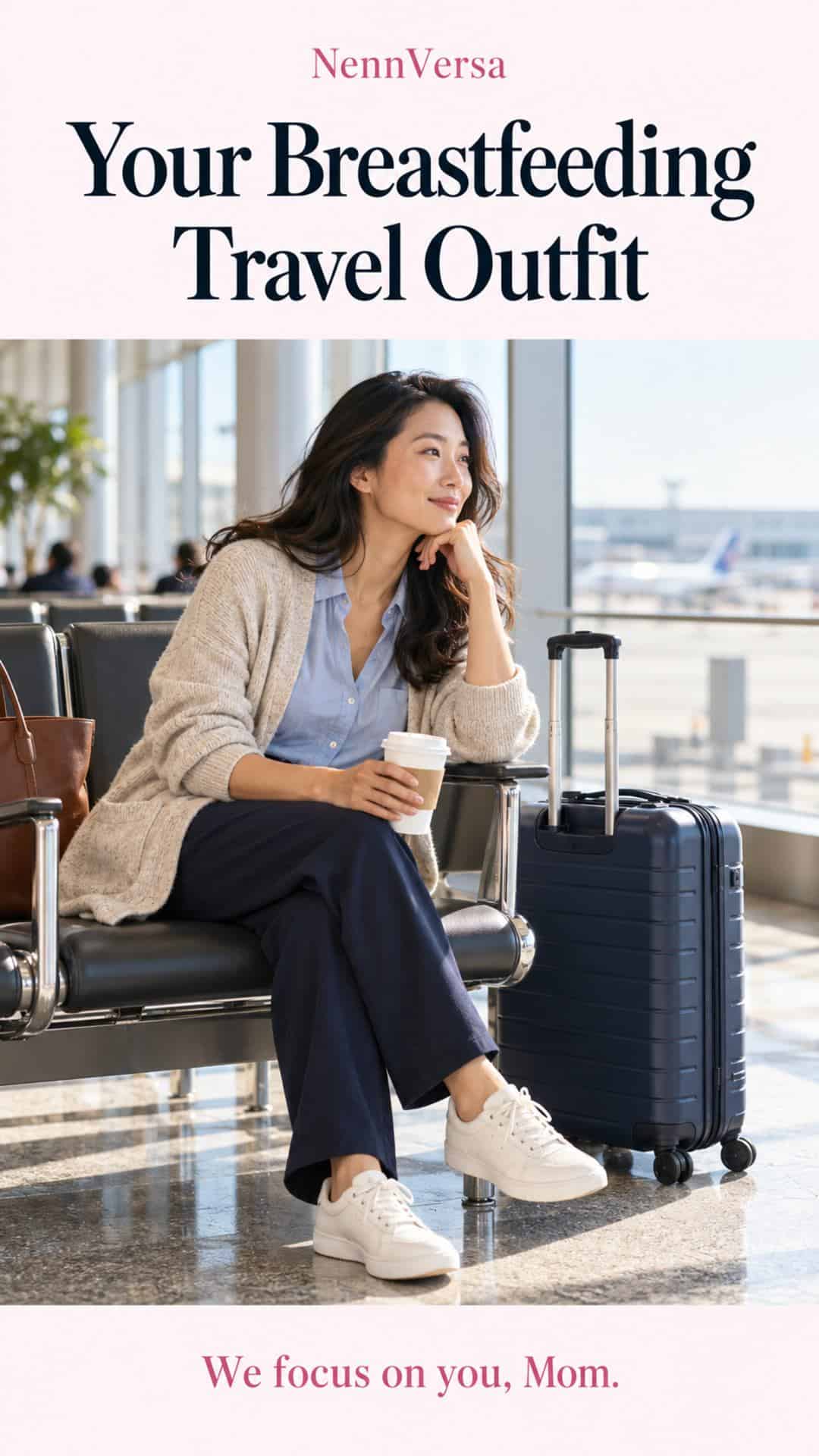
The useful question is not whether an outfit looks like travel wear. It is whether you can comfortably sit in it, reach the opening you need, and put everything back together with the space you are likely to have.
You do not need a completely new wardrobe for that. Start with one familiar outfit and give it a travel rehearsal. Then make the few changes your actual journey calls for.
Plan for the whole journey, including the waiting
Write down the parts of your travel day: the drive or train to the airport, check-in, security, boarding, the flight, any connection, and the trip to your destination. A short flight can still mean a long time away from your usual setup.
Think about where you expect to breastfeed or express milk and where you might need a second option. A plan that depends on one particular room being empty at exactly the right moment may need a backup.
Keep clothing planning separate from decisions about your feeding or expressing routine. If travel will disrupt that routine and you need individual advice, ask your lactation professional before departure. Your outfit should support the plan you use; it should not dictate when you feed or pump.
For the wardrobe itself, identify your least flexible requirement. It might be a particular pumping bra, a seated waistband you already trust, or a high neckline you want to keep. Build around that piece first.
Choose an opening you can use while seated
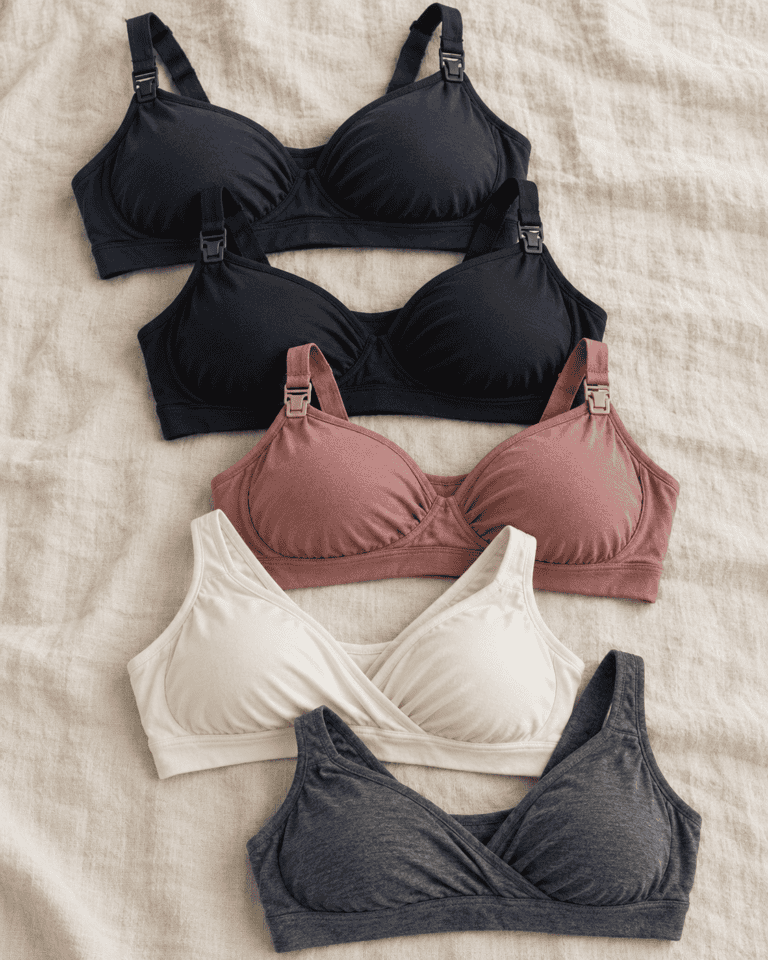
A button-front shirt can work well if its buttons are easy for you to manage and the opening reaches the area you need. A liftable top may be simpler if it has enough room to lift without pulling tightly across your back. A purpose-made nursing opening may suit you if you like how the inner panel moves.
Try the complete combination, including your bra and any camisole. A promising outer shirt does not solve access if the layer underneath needs to come off.
Consider how much fabric will gather around you. A very long shirt, several tucked layers, or wide sleeves can be more awkward in a small seat than they were in front of your bedroom mirror. That does not rule them out; it gives you something specific to check.
If you pump, rehearse placement and removal with your own equipment in a suitable space at home. Follow its instructions. Clothing that has room for a pump is not proof that the bra and pump are positioned correctly or that the setup will work for you.
Use a simple three-part outfit
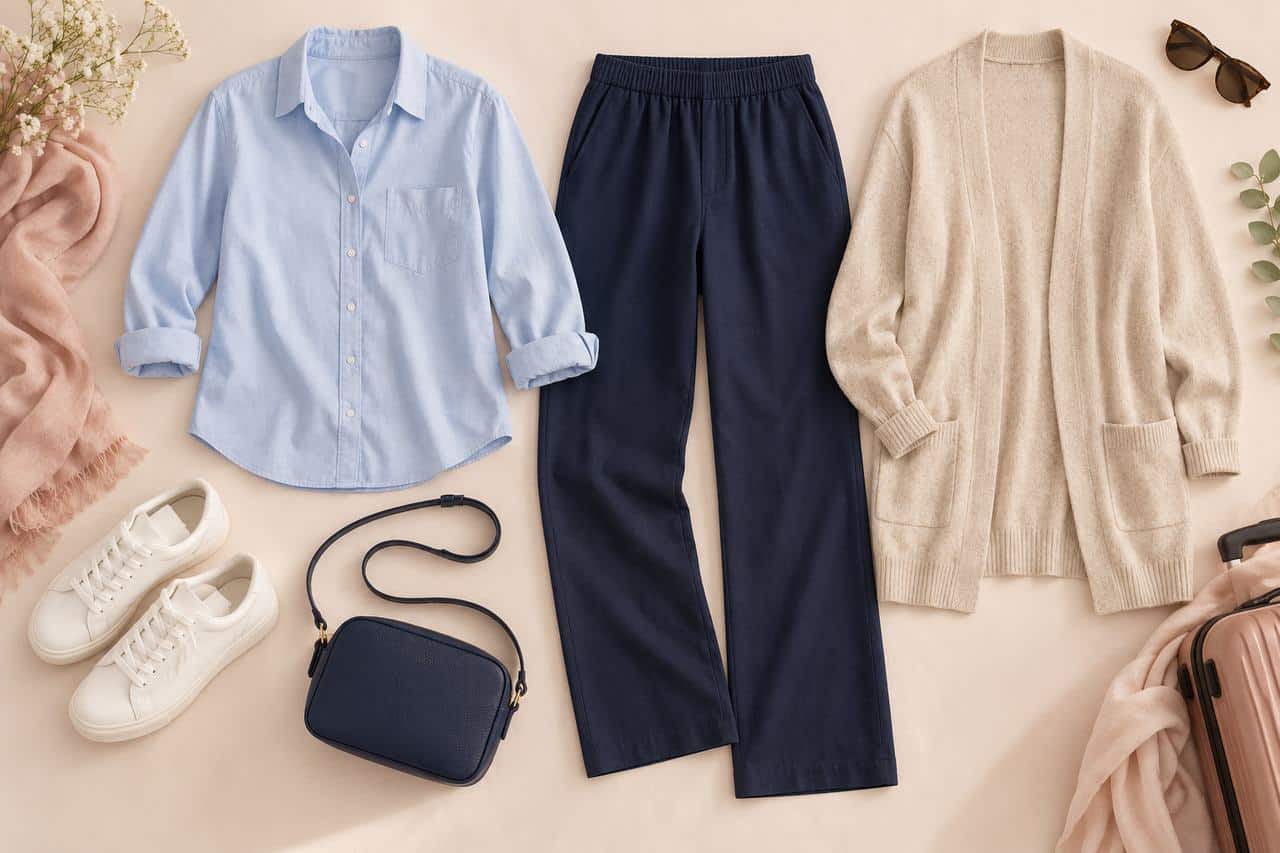
For many journeys, an accessible top, comfortable bottom, and removable outer layer are enough. Choose each part for a job rather than adding layers just in case.
| Combination | Why it may suit your day | Check before packing |
|---|---|---|
| Soft button-front shirt, pull-on trousers, open cardigan | Adjustable front access and a layer you can remove without changing the whole outfit. | Button reach, seated trouser pressure, and whether the cardigan stays out of your way. |
| Liftable tee, familiar nursing bra, joggers, zip-front sweatshirt | A casual combination made from pieces you may already wear at home. | How far the tee lifts, the coverage you prefer, and whether the sweatshirt opens fully. |
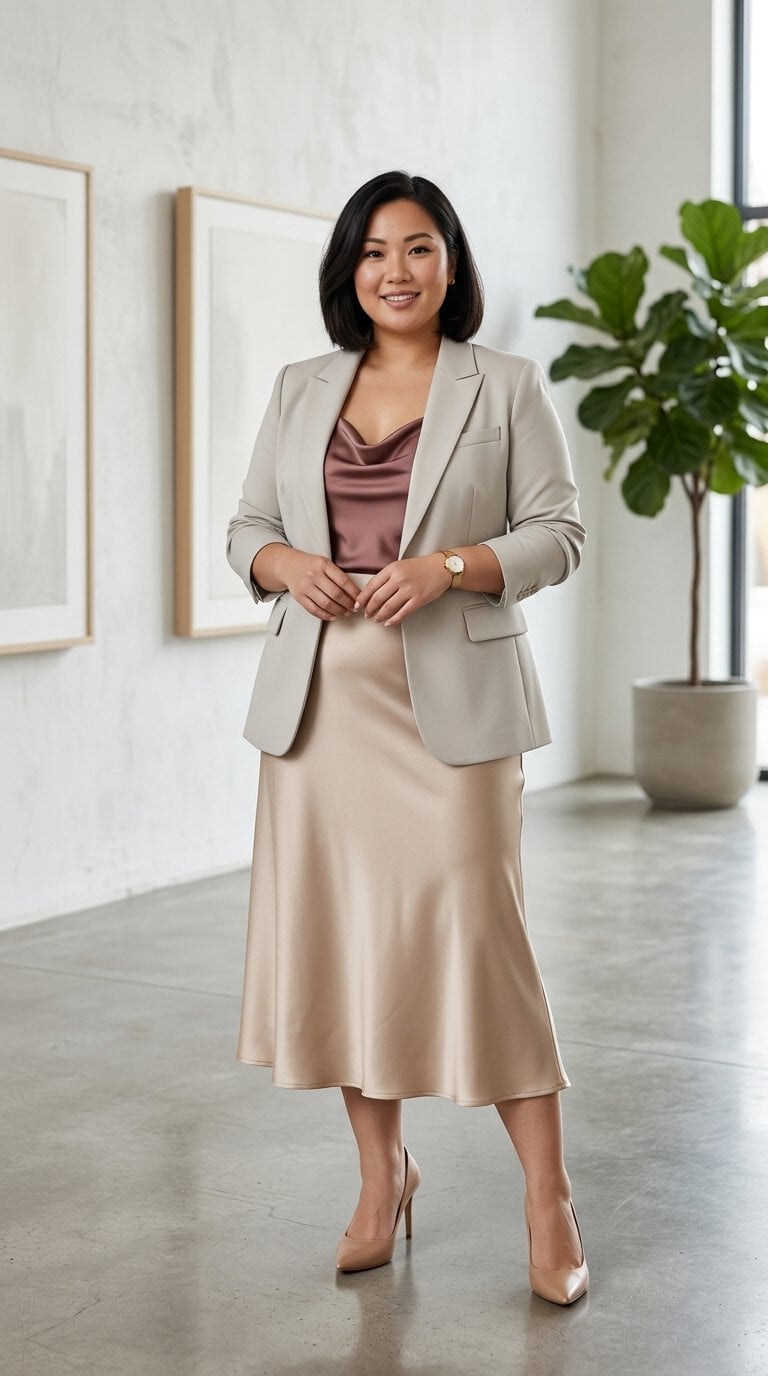
| Nursing-access top, soft straight-leg trousers, light jacket | A defined opening with a more structured outer layer for arrival. | The inner panel, sleeve room, and jacket comfort while sitting. |
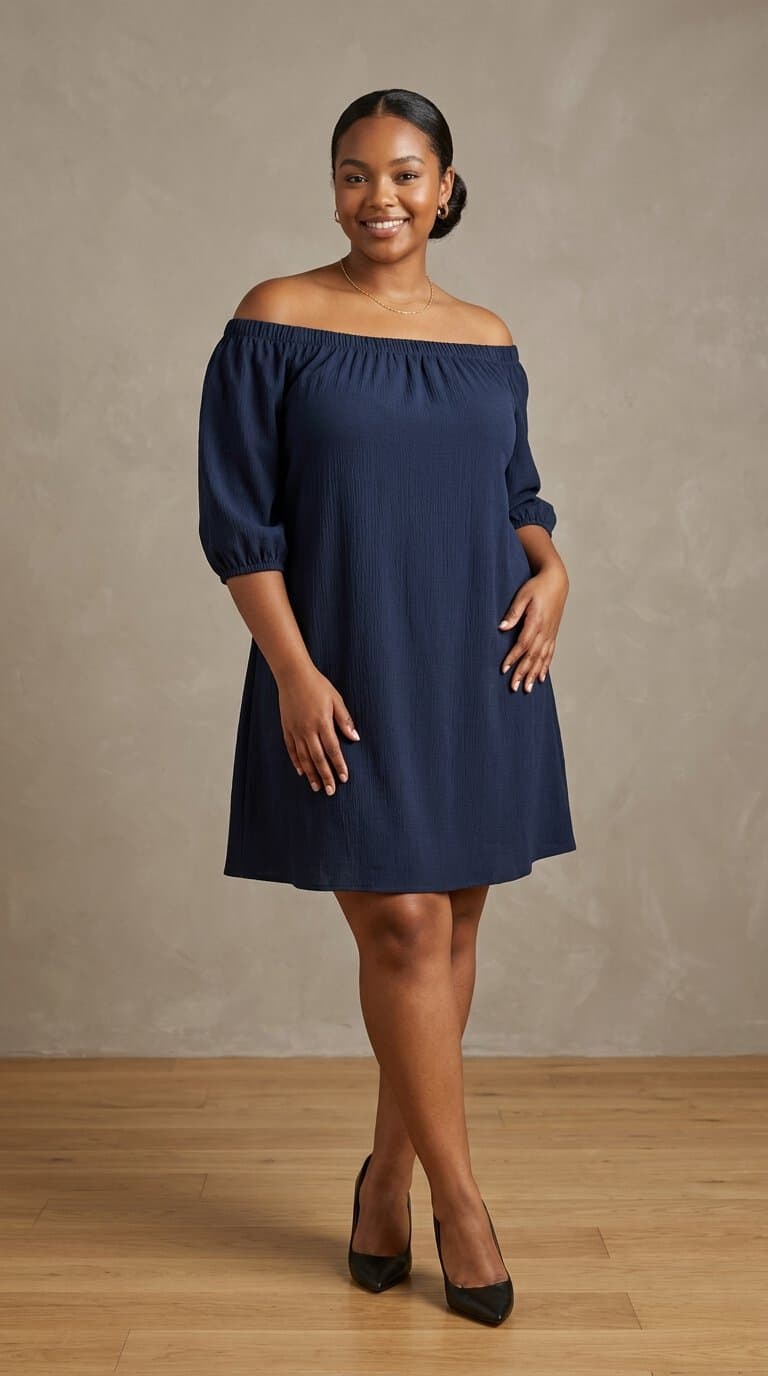
A dress can also work if its opening suits your routine and you like its seated length. A jumpsuit deserves a separate bathroom rehearsal: feeding access and bathroom access are different questions, particularly in a small space.
Use shoes you can walk in comfortably and outerwear you know how to manage with your bags. Your travel day is not the ideal first test of an unfamiliar fastening or an outfit that requires frequent adjustment.
Give the waistband a proper sitting trial
Sit in your outfit long enough to notice the details. Does the waistband press where you do not want pressure? Does it roll when you lean forward? Does the top ride up and leave you tugging it down?
Try the movements you are comfortable making during recovery: reaching beside you, lifting your arms, and standing up. You do not need to simulate lifting heavy luggage. Ask for help with tasks you cannot comfortably manage.
A soft waistband is useful only if the rest of the garment also fits. Pulling through the seat or thighs can make the waist feel wrong even when its elastic is gentle. Compare a different cut as well as a different size.

If you have a healing incision or another recovery concern, follow your care team’s guidance. An outfit trial cannot tell you whether you are ready to travel.
Pack the spare you can actually reach
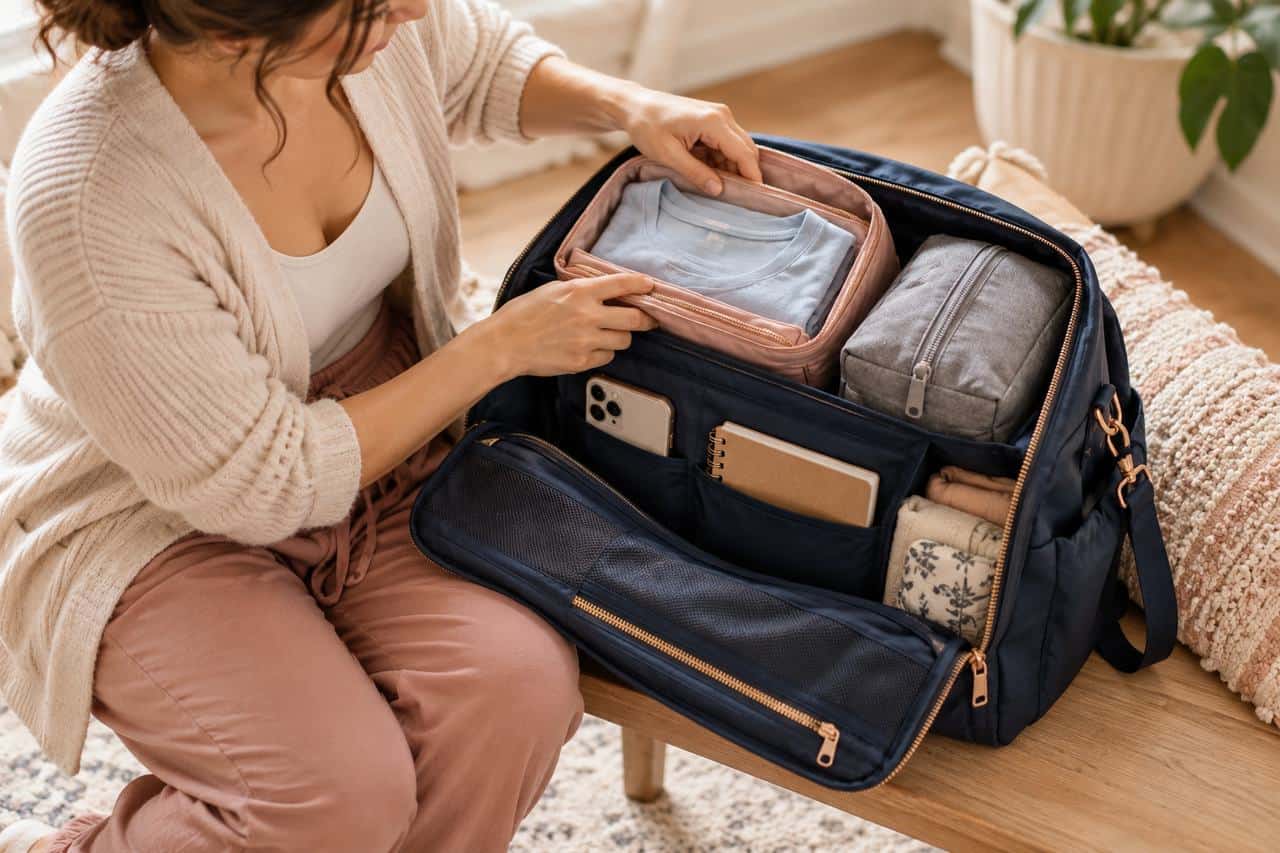
A spare top is most useful when it works with the bra and bottom you are already wearing. Choose a familiar opening, a colour you are happy to wear, and a fabric that does not need ironing before it feels presentable.
Keep that spare in your accessible bag, with any personal supplies you normally use. A change of clothes in a checked suitcase cannot help during the flight. If you use breast pads, make replacements easy to find; give damp clothing its own place away from clean pieces.
You might pack a full change if your journey, luggage allowance, and available space make that sensible. You do not need to duplicate every outfit. Start with the item most likely to interrupt your comfort if it becomes wet or soiled.
A small pouch with an obvious place in the bag can save repeated rummaging. Test whether you can retrieve it without unpacking everything in the aisle.
From the capsules
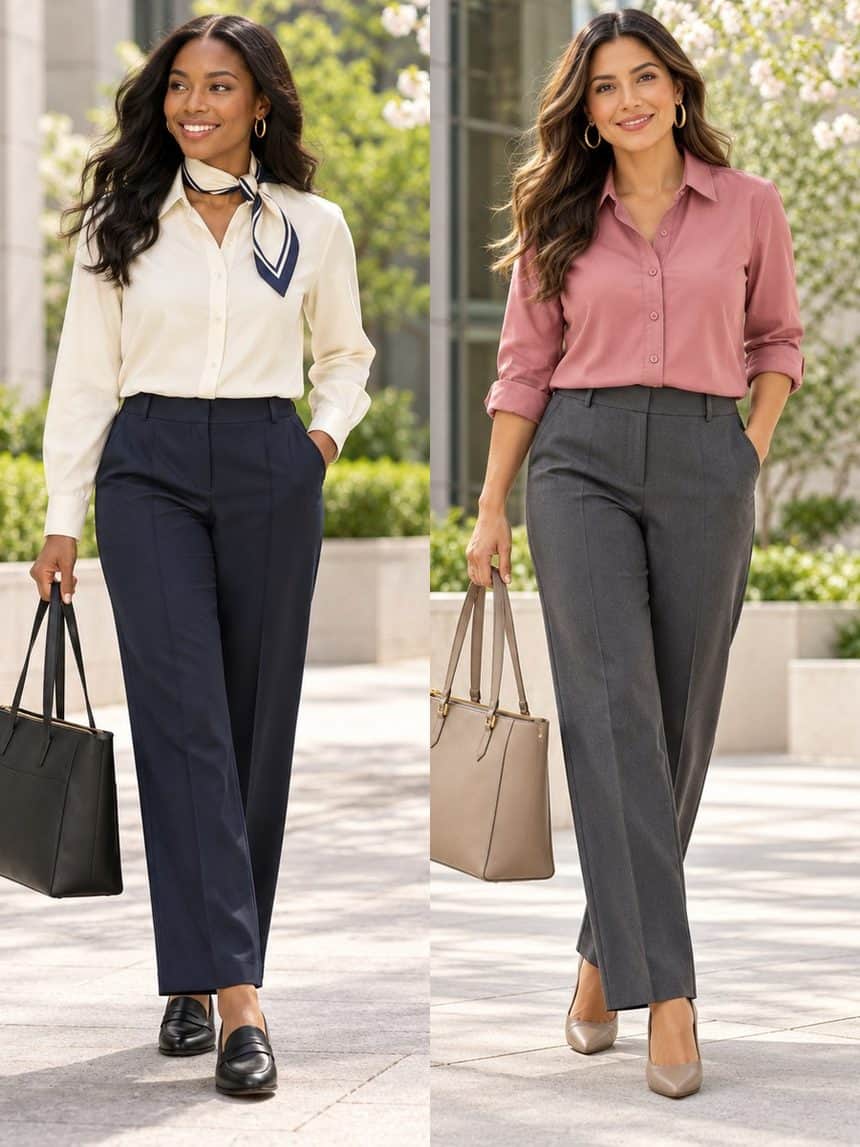
The Back to Work Capsule
Two hundred workday outfits, every top opening for the eleven o'clock pump. $27 once, yours to keep.
Keep the milk and equipment plan separate from the outfit plan
Clothing is one part of travelling while expressing milk. You also need a plan for clean equipment, power if your pump needs it, and milk storage. The CDC’s travel guidance for nursing mothers covers preparation and transporting milk.
For United States security screening, the CDC explains that breast milk and related cooling supplies have allowances beyond the usual small-liquid limit, and your child does not have to be travelling with you. Check the current rules for every country and airport on your route; that US guidance is not a worldwide policy.
Also confirm your airline’s rules for pump bags and cabin baggage. Do not assume that a bag described as a “pump bag” by a retailer automatically qualifies for a particular allowance.
If cleaning facilities may be limited, plan ahead rather than relying on a quick rinse. The CDC Yellow Book’s travel and breastfeeding chapter discusses bringing additional clean collection kits when needed. Follow CDC cleaning guidance and your equipment instructions for the details.
Do one calm rehearsal before departure
Lay out your outfit, underlayers, shoes, and accessible bag together. Then check these five things:
- Sit down and use the clothing opening.
- Close and rearrange the outfit in the way you normally would.
- Remove the outer layer without dismantling everything else.
- Find your spare and personal supplies in the packed bag.
- Check that your phone, documents, and essential equipment have a reachable home.
If something fails, change that part of the system. You may only need to switch the cardigan, untuck the shirt, or move one pouch. A useful rehearsal leaves you with fewer decisions on the day.
Frequently asked questions
Do I need special breastfeeding travel clothes?
No. Familiar separates may work well if the opening, underlayer, and seated fit suit you. A specialist garment is useful when its construction solves a problem you actually have.
Should I choose dark colours to hide leaks?
Choose colours you like, then check the fabric. Visible moisture depends on the material and finish as well as colour. A spare you can reach is more dependable than assuming one shade will hide everything.
Can I wear the same outfit for nursing and pumping?
Possibly, but test each routine separately. Nursing access does not automatically provide the room or support your pumping setup requires.
The Nursing Mama Fashion Commandments
Twelve rules I wish someone had told me postpartum. Print them. Screenshot them. Live by them.
- Nursing bra always. Regular bras become instruments of pain the day letdown surprises you.
- Nursing pads on your body + a spare pair in your bag. Every single time you leave the house. No exceptions.
- Extra top in your bag — for YOU, not the baby. Because leaks, spit-up, and coffee-spills don’t care about your outfit plan.
- If it takes more than 5 minutes to figure out how to nurse or pump in it, it’s not the right outfit today. Feeding access is comfort. Comfort is not optional.
- Belt under the bust (empire) or below the belly with drape — never at the belly button. Your postpartum body deserves flattery, not compression.
- Comfortable waistband is non-negotiable. Elastic, wrap, or pull-on. Zippers are a Sunday-only luxury for now.
- Dark tones, prints, or textures — not thin light solids. Because letdown marks are real and you deserve clothes that don’t advertise them.
- Machine-washable everything. Dry-clean is not real-mama fashion. If it can’t survive a spit-up rinse, it’s not in rotation.
- Cross-body bag only. Hands stay free for the carrier, the toddler, the coffee, the door, the meltdown.
- Comfortable shoes always. You’re carrying a car seat and a diaper bag. This is not the season for a heel you can’t run in.
- Get dressed BEFORE the kids see you if you can. It changes the whole day — for them and for you.
- One accessory — earrings, a lip color, a scarf — counts as “put together.” That’s the whole game. You get to feel like yourself again.
Arrive with an outfit you already understand
The best travel outfit for you is one whose opening, waistband, layers, and backup have already passed an ordinary seated trial. Keep the successful combination in a note or photo so you can repeat it for the next journey.
For help choosing a compatible backup, use My Outfit Rescue Plan. Find more practical wardrobe support through The NennVersa Atelier at NennVersa.