A long supply list can make breastfeeding feel like another shopping task. As a mom of three, I would begin with support and what is already useful at home. These nine categories are options to consider, rather than essentials every parent must buy.
I am a mama, not a lactation consultant. Ask for feeding support if feeding hurts, especially with cracked or bleeding nipples. A hot, swollen or painful breast, fever or feeling unwell needs same-day advice from your midwife or doctor. A product list cannot diagnose or treat those symptoms.

1. Feeding support for your comfort, if useful
An optional feeding pillow may support an awake feed when used exactly as instructed, with your baby held close and attended throughout. It is not for sleep, lounging, tummy time or propping a baby to sit. A cushion supporting your own arm is different from placing your baby on a loose pillow. Keep soft items out of the baby’s sleep space, and ask for positioning help if feeding causes pain.

2. A pump if it fits your feeding needs
You may not need a pump, or may need a type suited to occasional, regular or other individual use. Compare equipment instructions, compatible parts, cleaning, fit and cost rather than assuming a wearable is cheapest or a double electric is best for everyone. Ask about local loan or coverage options where relevant. You do not need a freezer stash to validate breastfeeding.

3. Nursing pads if you leak
If pads help, choose a type you find comfortable and change damp ones. Reusable and disposable options can both be useful; there is no universal need for waterproof-backed pads outdoors or a particular material at home. Clothing hacks for milk leakage offers more ideas.

4. Comfortable bras if you want them
A soft bra may provide comfortable support or hold pads if you want them. Check the actual band, cups and openings using the brand’s guidance. Fullness and fit vary, and there is no required four-bra starter set or universal evening measuring time. How to pick the best nursing bra covers more checks.

5. A balm for sore skin, and a word about shields
A nipple-care product is not a substitute for assessing pain or attachment. Ask a feeding professional about persistent soreness, cracks or bleeding. Follow the specific product instructions, including whether it must be removed before a feed; “plant-based” alone does not establish suitability. Nipple shields and hydrogel products should be considered with appropriate guidance rather than treated as automatic fixes.

Free · eight questions
What to buy first, in the order to buy it.
The Order asks about your feeding, your season and your days, then gives you twelve pieces in the order they earn their place, with a picture and a shop link for each. Nothing you do not need.
Free. The list can be emailed to you so it is there in the shop.
6. Optional coverage
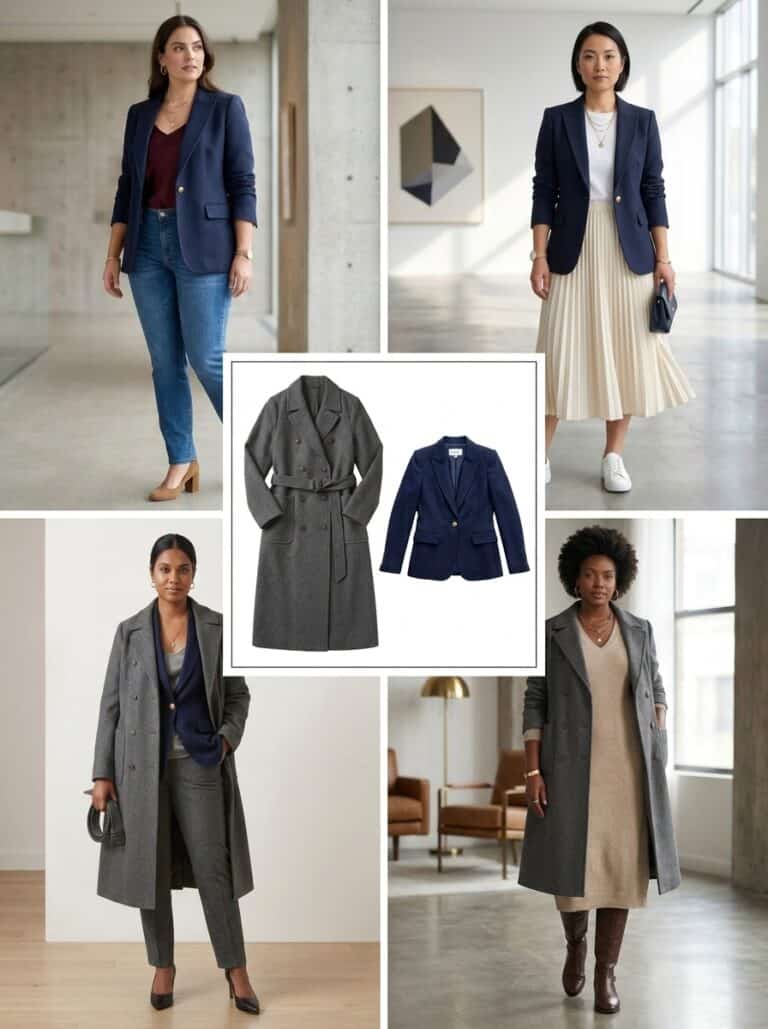
You do not need a cover to breastfeed. If you choose one, follow its instructions, keep your baby’s nose and mouth clear and make sure you can see and attend to them. A scarf is not automatically an equivalent, and loose fabric should not fall across the baby. Ten outfits built around a scarf offers accessory ideas, with those limits kept in mind.
7. Water and a snack within reach of every chair
Water and a snack nearby may be useful when feeding takes time. Choose a bottle or cup you can manage and keep hot drinks away from your baby. There is no need to buy a special straw bottle or set up supplies beside every chair.
Free · the whole lookbook
How I lay outfits out, for free.
The Postpartum Lookbook is a full set of outfits in the NennVersa style, every top opening at the front, so you can see how the guides think before you spend anything.
Free. Sent to your inbox so you have it on your phone.
8. A place for useful supplies
A basket or shelf near a feeding seat may help you find clean pads, a cloth, water or a spare layer. Use what you own and keep medicines, cosmetics, charging cords and loose parts out of children’s reach. A second basket is optional rather than a necessary upstairs setup.
9. Washable cloths when useful
Burp cloths or muslins may catch ordinary spills. Choose a quantity around laundry and use, rather than a compulsory ten. Keep loose cloths clear of your baby’s face and sleep space, and never drape one over a stroller as a sunshade; covering the opening can trap heat.
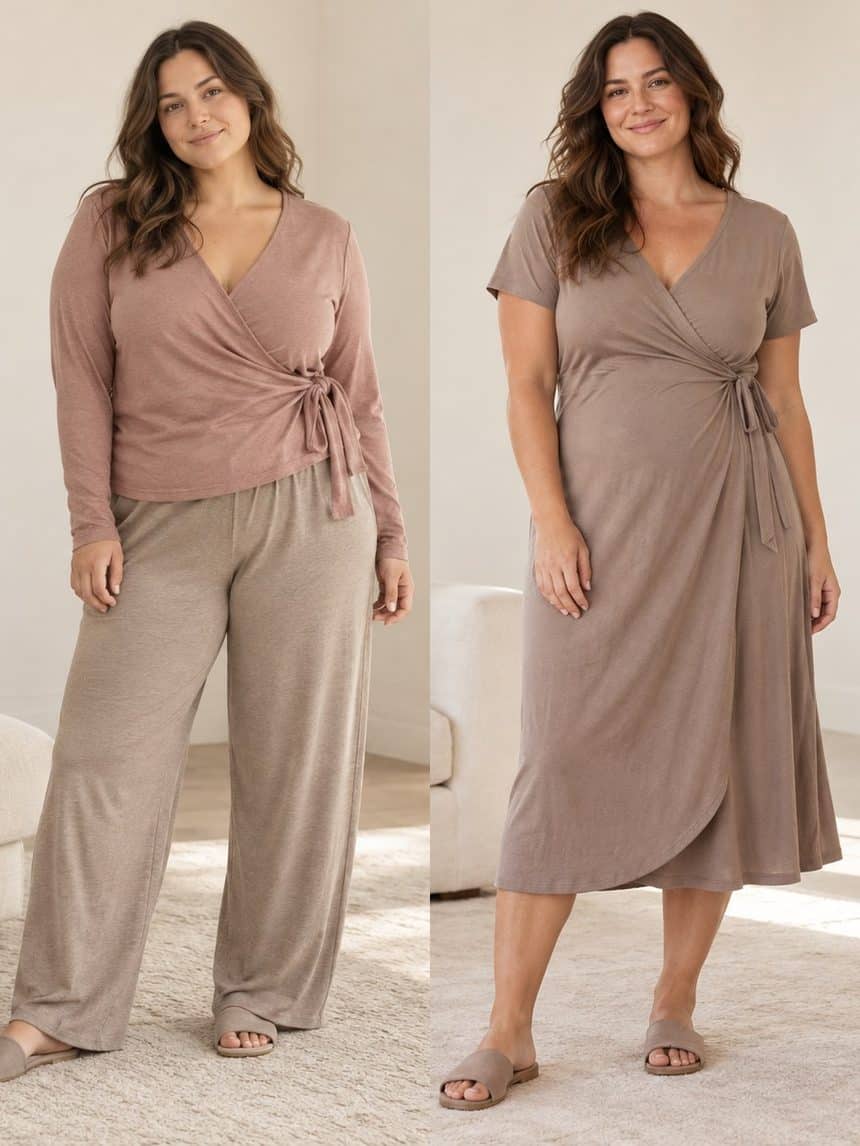
From the capsules
The Soft Landing Capsule
Twenty soft pieces, twenty-five outfits for the first weeks home, every one opening for a feed. $14.99 once, yours to keep.
The Nursing Mama Fashion Commandments
Twelve rules I wish someone had told me postpartum. Print them. Screenshot them. Live by them.
- Nursing bra always. Regular bras become instruments of pain the day letdown surprises you.
- Nursing pads on your body + a spare pair in your bag. Every single time you leave the house. No exceptions.
- Extra top in your bag — for YOU, not the baby. Because leaks, spit-up, and coffee-spills don’t care about your outfit plan.
- If it takes more than 5 minutes to figure out how to nurse or pump in it, it’s not the right outfit today. Feeding access is comfort. Comfort is not optional.
- Belt under the bust (empire) or below the belly with drape — never at the belly button. Your postpartum body deserves flattery, not compression.
- Comfortable waistband is non-negotiable. Elastic, wrap, or pull-on. Zippers are a Sunday-only luxury for now.
- Dark tones, prints, or textures — not thin light solids. Because letdown marks are real and you deserve clothes that don’t advertise them.
- Machine-washable everything. Dry-clean is not real-mama fashion. If it can’t survive a spit-up rinse, it’s not in rotation.
- Cross-body bag only. Hands stay free for the carrier, the toddler, the coffee, the door, the meltdown.
- Comfortable shoes always. You’re carrying a car seat and a diaper bag. This is not the season for a heel you can’t run in.
- Get dressed BEFORE the kids see you if you can. It changes the whole day — for them and for you.
- One accessory — earrings, a lip color, a scarf — counts as “put together.” That’s the whole game. You get to feel like yourself again.
Clothing options to go with your own routine
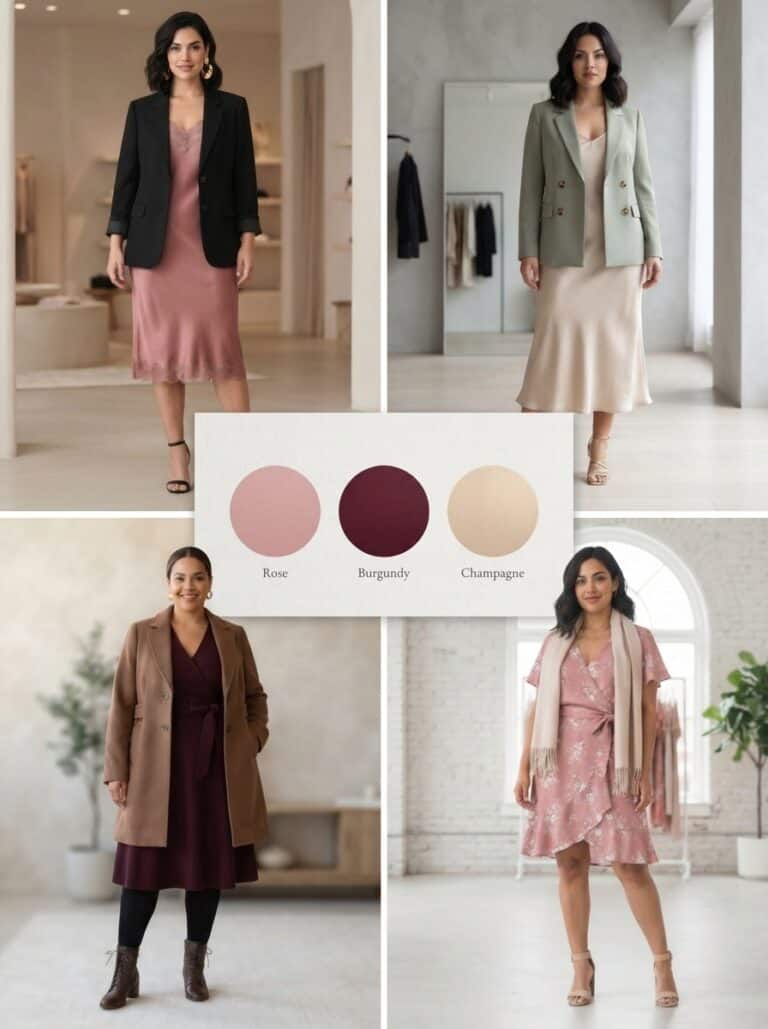
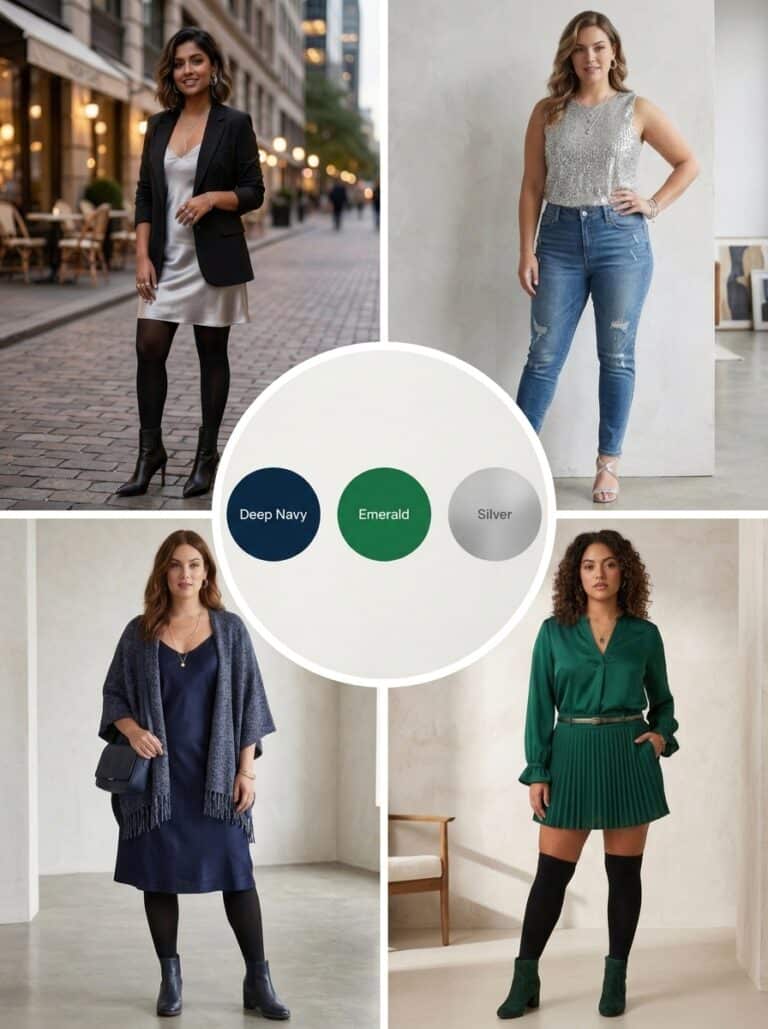
An optional clip-down nursing tank, functional shirt, true-wrap top or cardigan, accessible dress and comfortable bottoms are possibilities, rather than five purchases. Check your bra and every layer while seated. A high or low waistband does not automatically clear a tender area.
What breastfeeding-friendly clothes actually are is why the list is that short, and nursing-friendly loungewear for the first weeks is the free list for the sofa days.
You may use several of these items or very few. Choose by your needs, support, budget and space rather than a fixed price comparison with a stroller accessory. Feeding help, comfortable clothes and your own care all matter, whether they involve a purchase or not.
If you are in the first weeks, the Soft Landing Capsule is twenty-five outfits for exactly this stage, built over these must-haves, soft and open and dressed enough for the door, with three pictures of you in them on the house. And if you would rather someone who knows your closet told you each morning which of the five clothes to wear, that is Anah inside the Atelier.
Practical support and the supplies that help you, without a compulsory kit. The focus is on you, mama.

You deserve to be looked after too
A stylist who already knows you, every morning.
The Atelier is Anah every morning, already knowing your season, your shape and your closet. The community, the magazine, the planner, and Dress me for the mornings when choosing is the hard part.