A practical try-on guide for checking access, comfort, layers,
and your real feeding setup before you leave home.
The shirt has buttons. The dress has a stretchy neckline. The product
description says “nursing friendly.” Everything suggests the outfit
should work.
Then you sit down to feed or set up your pump and discover the
missing detail. The buttons are decorative. The neckline does not move
far enough. The top works, but the bra underneath does not. You can
reach everything only by taking off more clothing than you want to
remove.
Feeding-friendly clothing is personal. It depends on the garment,
your body, your bra, how you feed, and where you expect to be. A feature
that works beautifully for one mom may feel awkward for another.
You can learn a great deal by testing the complete outfit before
relying on it. You do not need a complicated wardrobe assessment. A few
deliberate movements can show you what works, what needs a different
layer, and what you would prefer to wear another day.
Start with the feeding
situation
Before assessing an outfit, decide what you need it to do.
Will you nurse directly, use a conventional pump, wear collection
cups inside your bra, or switch between methods? Will you be at home, at
work, traveling, or attending an event? Will you have somewhere
comfortable to sit and a place to put clothing you remove?
These questions change the standard for a useful outfit. A dress you
are happy to unzip in a private room may be inconvenient for feeding in
a café. A loose shirt might work with one pump setup but pull
uncomfortably over another.
Your preference for coverage belongs in the decision, too. You may
want more torso coverage, less fabric to manage, or a layer you can
adjust. Choose for your own comfort rather than an expectation that
feeding must be hidden.
Check three things
separately
It helps to think about the outer garment, the bra or underlayer, and
the feeding setup as three parts of the same outfit.
The garment needs to open or move far enough without
creating a struggle.
The bra or underlayer needs to allow the access you
require and feel comfortable in the intended position.
The feeding setup needs to work within that space.
For pumping, follow the fit and use instructions for your specific
equipment. Clothing cannot establish whether a flange or pump fit is
correct.
A successful outfit needs all three to work together. Testing only
the shirt leaves the most common complications undiscovered.
Understand
the main ways clothing provides access
| Access style | What to check | Common complication |
|---|---|---|
| Front buttons, snaps, or zip | The opening is functional and extends far enough | Decorative closures, small buttons, or a short opening |
| Lift-up top | The hem moves comfortably and fabric stays manageable | A tight hem, long tunic, tucked-in layer, or excess fabric |
| Move-aside or lower neckline | Fabric moves without painful pressure or overstretching | An opening that looks generous but does not stretch enough |
| Dedicated nursing panel | Both outer and inner layers are accessible | A hidden panel that catches or shifts awkwardly |
| Side opening or wrap | The opening reaches the needed area and remains comfortable | Fixed stitching, a faux wrap, or an inconvenient fastening |
These are starting points. The same access style can behave
differently in two garments because of fabric, cut, size, and
construction.
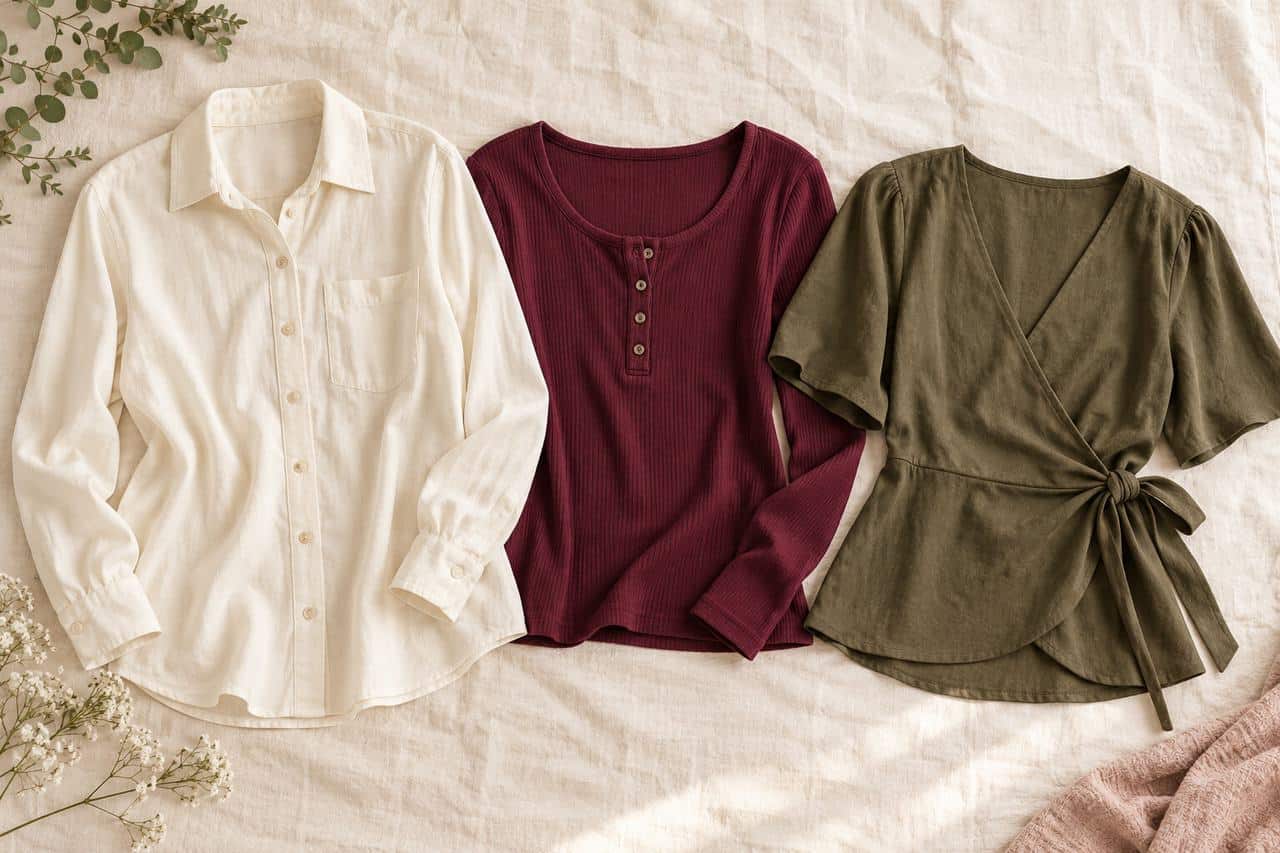
Front-opening pieces
A shirt, cardigan, or genuinely front-opening dress can provide
adjustable access. Try the actual fasteners rather than assuming the
design works from a photograph.
Notice how many buttons you need to open, whether the edges pull, and
whether you can comfortably refasten them afterward. Small buttons are
not automatically unsuitable, but they may require more attention than
you want during an outing.
If a garment has a zip, check where the slider sits against your skin
and whether the opening reaches far enough. A small neckline zip may be
primarily decorative or designed for dressing rather than feeding.
Lift-up tops
A top that lifts comfortably can work with many ordinary clothes you
already own. Check the hem, torso length, and any tucked-in portion.
If you prefer coverage over your stomach, you may like a suitable
tank beneath it. Test that tank too: it needs its own usable access and
should not add uncomfortable bulk.
Notice where the lifted fabric goes. If you need to keep readjusting
a large bundle of material, a different cut may be easier.
Move-aside necklines and
wraps
A stretchy or overlapping neckline may allow access without undoing
fasteners. Test the movement gently. Fabric should not have to be forced
into a position that feels tight or strains the seams.
A wrap appearance does not guarantee a wrap opening. Some garments
are stitched closed or have a fixed inner panel. Check the construction
before deciding the piece will work.
After moving the fabric, see whether it returns to a shape you are
comfortable wearing. An outfit should be useful after feeding as well as
during it.
Dedicated nursing panels
Purpose-designed openings can be helpful, but the label alone cannot
tell you how they will feel.
Try the complete sequence: move the outer layer, access the inner
opening, adjust your bra, then return each piece to place. Notice
whether the layers slide easily or catch against one another.
If you have limited hand mobility, sensitivity, or a strong
preference for fewer steps, give those needs weight when comparing
designs.
Give dresses
and one-piece outfits extra attention
With separates, lifting a top does not usually require moving the
bottom. A dress, jumpsuit, or romper can behave differently.
Check how far the opening extends and what else moves when you use
it. A dress with a high, fixed neckline may require removal or
substantial lifting. A jumpsuit may create an additional bathroom
challenge even if feeding access is good.
Try sitting, standing, and managing the relevant fastenings. Consider
where you would place any layer you need to remove.
If the outfit needs a private changing space, decide whether that
space will realistically be available and whether you are comfortable
with the extra steps. You can still choose the outfit; the purpose of
the test is to make the tradeoff clear before the event.

Test direct-nursing access
Try on the full outfit with the bra or underlayer you intend to wear.
Sit in a position you commonly use for feeding and move the fabric aside
as you would need to.
Check whether the opening reaches comfortably, whether seams or
fasteners press against you, and whether loose fabric repeatedly falls
into the feeding area.
You can rehearse the clothing steps without holding your baby. There
is no need to test tricky fastenings while your baby is waiting to feed
or while your balance is occupied.
If you later use the outfit during a normal feed, pay attention to
what you keep adjusting. That experience can help you decide whether a
different underlayer or outer garment would work better next time.
Clothing access is only one part of comfortable feeding. Persistent
pain or feeding difficulties deserve appropriate support rather than
repeated wardrobe experiments.
Test a conventional pump
outfit
Use the bra and pump components you actually plan to use, following
the equipment instructions.
Check whether you can position and remove the flanges without
fighting the neckline or pulling the garment into an uncomfortable
shape. If your setup uses tubing, consider where it runs and whether the
outfit interferes with it.
Sit as you would during a pumping session. Notice fabric pressure,
tight sleeves, a waistband that becomes uncomfortable, or a jacket that
restricts your shoulders.
Think through the end of the session, too. Can you access the
collection containers and remove the equipment without needing to
balance everything on your lap? Your work space and available surface
matter alongside your clothes.
You do not need to add an extra pumping session just to evaluate
clothing. Check the basic access and movement first, then assess the
combination during a session already in your routine if appropriate.
Test an outfit for a
wearable pump
Wearable pumps still require access. You need to insert and position
the cups, check the setup as instructed, and remove them afterward.
Start with the bra requirements in the pump manufacturer’s
instructions. Then assess the outer layer. Is there enough room without
unwanted pressure or pulling? Can you reach the cups? Does the neckline
allow the movements you need?
A larger shirt is not a substitute for correct pump and bra fit.
Similarly, a product described as a nursing bra is not automatically
suitable for every wearable or conventional pump.
Notice the outline under the garment and decide whether you like how
it looks. Some moms prefer a looser layer; others are comfortable with
the pump being visible beneath clothing. Neither preference needs
justification.
Avoid treating “wearable” as a promise that every activity, posture,
or outfit will be suitable. Follow your equipment’s instructions when
deciding how to use it.
Do the seated comfort check
Once you have assessed access, stay seated briefly and notice the
rest of the outfit.
Does the waistband press into you? Does the bra feel different when
you lean or adjust position? Do buttons gape in a way that bothers you?
Are there seams, hardware, or fabrics against sensitive areas?
Move your arms and stand up again. An outfit can offer excellent
access and still be uncomfortable for the rest of the day.
Comfort can also change over time. An outfit you liked earlier in
postpartum life may become less useful, and something you set aside may
later work well. You can reassess without treating either result as
permanent.
Check the
layers in the order you will wear them
A winter outfit may involve a coat, cardigan, shirt, tank, and bra.
Each layer can seem reasonable on its own while the combination becomes
cumbersome.
From the capsules
The Back to Work Capsule
Two hundred workday outfits, every top opening for the eleven o'clock pump. $27 once, yours to keep.
Practice the sequence. What comes off? What moves aside? Where does
it go? Can you put the outfit back together without a mirror if you need
to?
For warm weather, consider whether the same access could work with
fewer layers. For colder weather, choose layers you can adjust without
becoming uncomfortably exposed to the temperature.
If you prefer a cover, test it as part of your own setup and follow
its instructions. A cover is optional; the outfit should reflect your
needs and preferences.
Use the pass, adjust, or
change check
After trying on the outfit, choose a practical next step.
Pass: You can manage the access, the underlayer
works, and the outfit feels comfortable for the intended activity. Save
the combination if it would help you remember it.
Adjust: One small change could make it useful. Try a
different bra, remove an unnecessary layer, swap a tight cardigan, or
choose a top with a more suitable hem.
Change: The outfit requires too much removal,
strain, or repeated adjustment for this situation. Choose something else
and keep this piece for a different use if you want to.
An outfit can pass for nursing at home and need changing for pumping
at work. You are evaluating a particular situation, not assigning a
permanent score to your clothes.
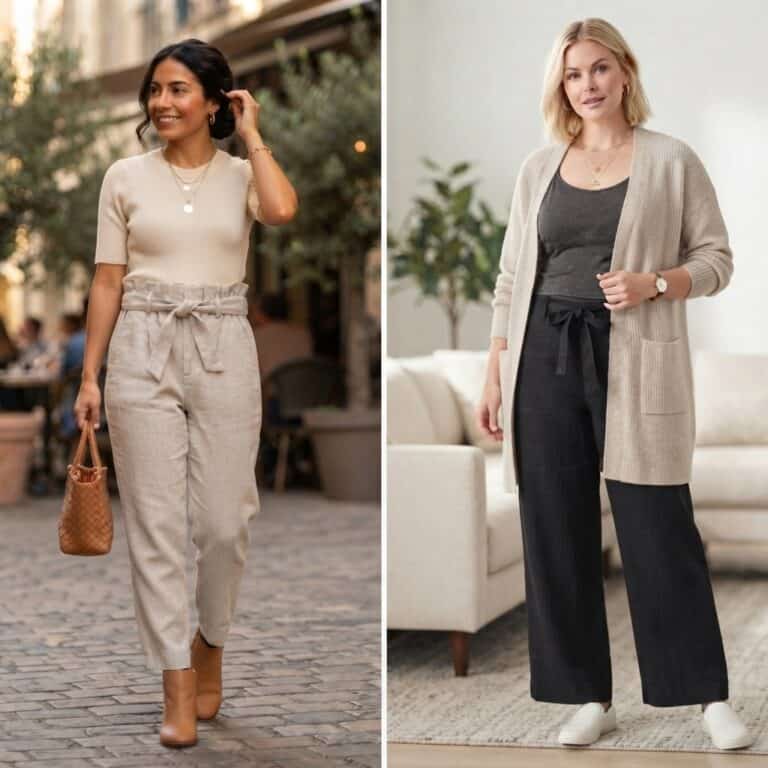
Four outfit
examples to try with what you own
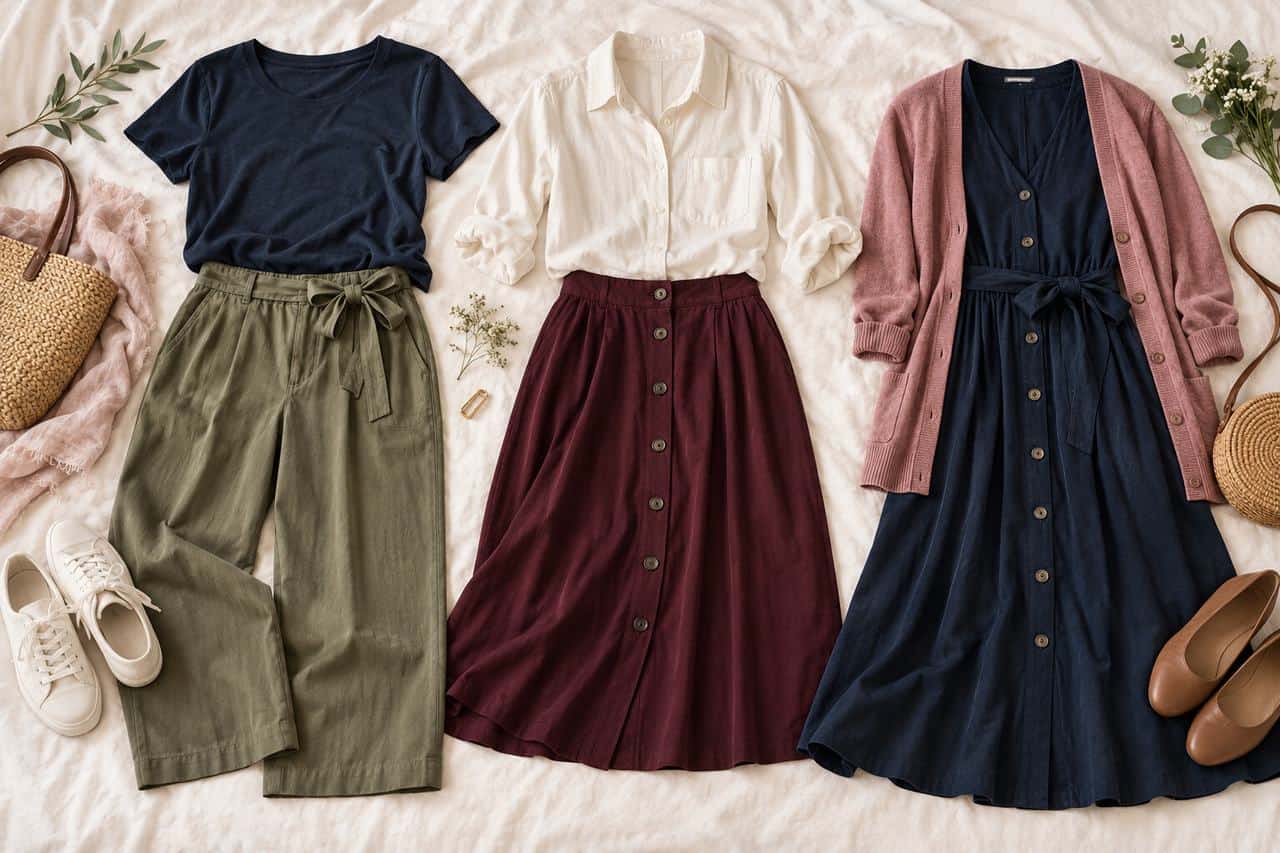
A front-opening
shirt with comfortable trousers
Check that the shirt opens far enough and works with the intended
bra. Sit down to assess the trousers and any tucked-in fabric. Add a
layer only if it earns its place for weather or personal preference.
A relaxed top over a
suitable tank
Lift the outer top, then test the tank’s access. Make sure the layers
do not pull against each other or become difficult to return to place.
This combination can provide torso coverage if you want it.
A dress for a meal or event
Confirm that any buttons, wrap, or nursing panel are functional. Try
the full access sequence while seated, including the bra. Think through
the available space at the venue and whether any removal involved feels
practical to you.
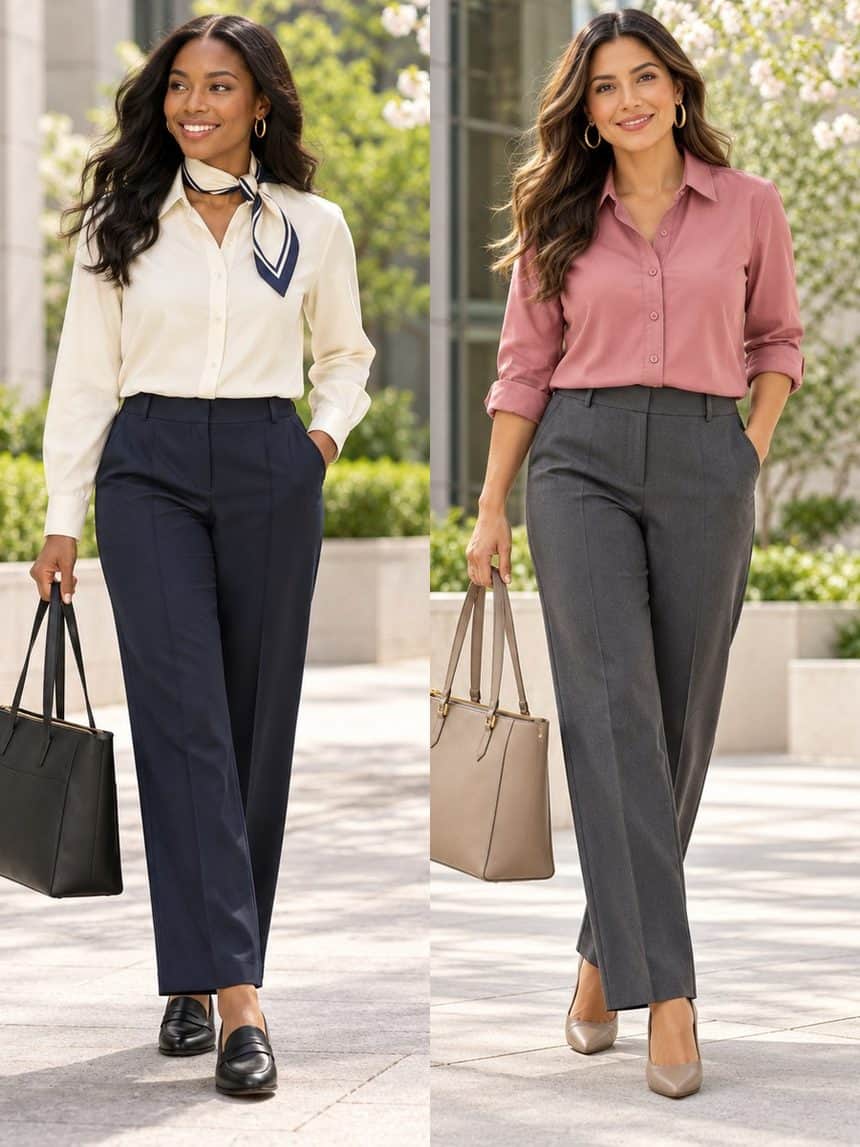
A work outfit for pumping
Test the actual underlayer and equipment access. Check whether a
jacket needs to come off and where you would put it. Choose a spare top
that works with the rest of the outfit if you want a backup at work.
None of these formulas is a guarantee. They give you a starting point
for assessing your own clothes.
What to check before buying
online
Look beyond the phrase “nursing friendly.” Search the listing for
clear photographs of the opening, fabric information, garment
measurements, and care instructions.
For bras or pumping-related clothing, check stated compatibility and
compare it with your pump manufacturer’s guidance. Avoid assuming a
retailer’s broad claim applies to every setup.
Read reviews for concrete details such as a fixed inner panel or
difficult fasteners, while remembering that reviewers have different
bodies and preferences.
Check the current return conditions, especially for intimate
garments. If the opening is unclear, ask the seller for details rather
than building an entire outfit around an assumption.
You do not need to replace everything. Test the clothes you own
first, then buy for a specific missing function.
Questions about
feeding-friendly outfits
Can ordinary
clothes work for breastfeeding?
Yes, some can. Functional front openings, suitable lift-up tops, or
comfortable overlapping necklines may provide the access you need. Test
the garment and underlayer together.
Will a nursing dress work
for pumping?
Possibly, but the label does not establish compatibility. Check the
size and position of the openings with your bra and actual pump
setup.
Do I
need to be able to manage everything with one hand?
No. It can be convenient for some clothing steps, but your setup
should allow you to use your hands safely and comfortably. Practice
garment adjustments without holding your baby, and arrange support as
needed.
What if the
outfit works but I dislike wearing it?
That matters. Color, shape, texture, and how much adjusting you want
to do are part of usefulness. A practical wardrobe can include clothes
you enjoy seeing yourself in.
The Nursing Mama Fashion Commandments
Twelve rules I wish someone had told me postpartum. Print them. Screenshot them. Live by them.
- Nursing bra always. Regular bras become instruments of pain the day letdown surprises you.
- Nursing pads on your body + a spare pair in your bag. Every single time you leave the house. No exceptions.
- Extra top in your bag — for YOU, not the baby. Because leaks, spit-up, and coffee-spills don’t care about your outfit plan.
- If it takes more than 5 minutes to figure out how to nurse or pump in it, it’s not the right outfit today. Feeding access is comfort. Comfort is not optional.
- Belt under the bust (empire) or below the belly with drape — never at the belly button. Your postpartum body deserves flattery, not compression.
- Comfortable waistband is non-negotiable. Elastic, wrap, or pull-on. Zippers are a Sunday-only luxury for now.
- Dark tones, prints, or textures — not thin light solids. Because letdown marks are real and you deserve clothes that don’t advertise them.
- Machine-washable everything. Dry-clean is not real-mama fashion. If it can’t survive a spit-up rinse, it’s not in rotation.
- Cross-body bag only. Hands stay free for the carrier, the toddler, the coffee, the door, the meltdown.
- Comfortable shoes always. You’re carrying a car seat and a diaper bag. This is not the season for a heel you can’t run in.
- Get dressed BEFORE the kids see you if you can. It changes the whole day — for them and for you.
- One accessory — earrings, a lip color, a scarf — counts as “put together.” That’s the whole game. You get to feel like yourself again.
Let the outfit earn
its place in your day
Choose one outfit you expect to wear soon. Put on every layer, sit
down, and test the access your feeding method requires.
If it works, remember the combination. If it needs a change, make
that change before you are rushing out the door.
Feeding access matters, and so do your comfort and style. You deserve
clothes that make room for all three.