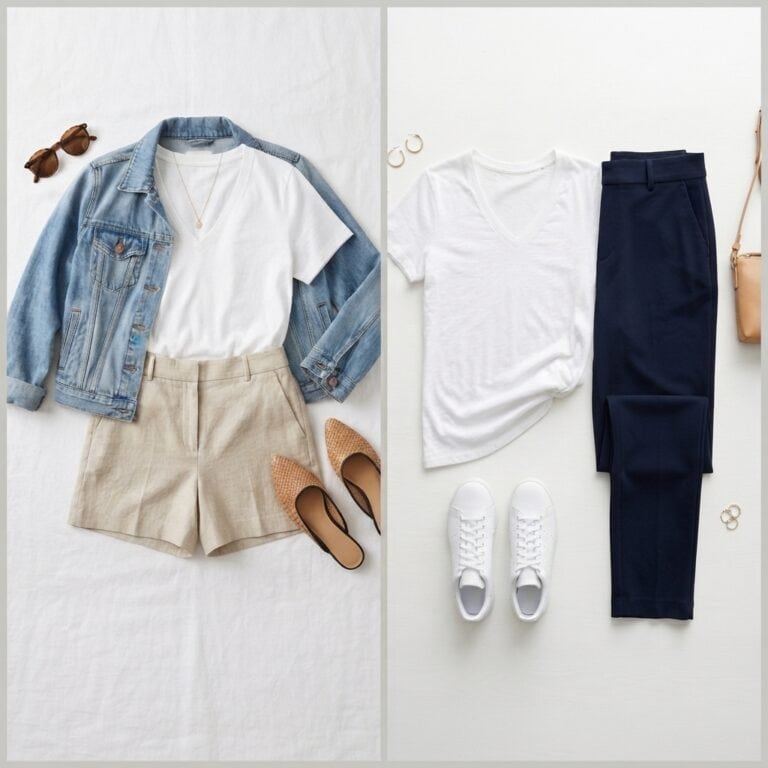
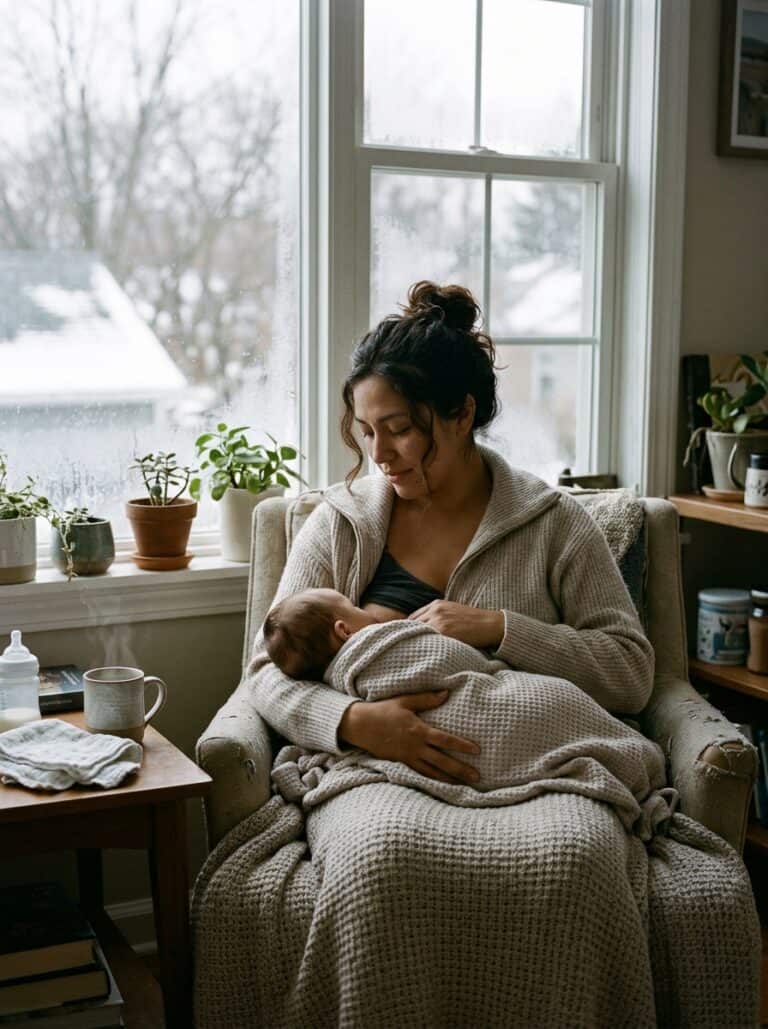
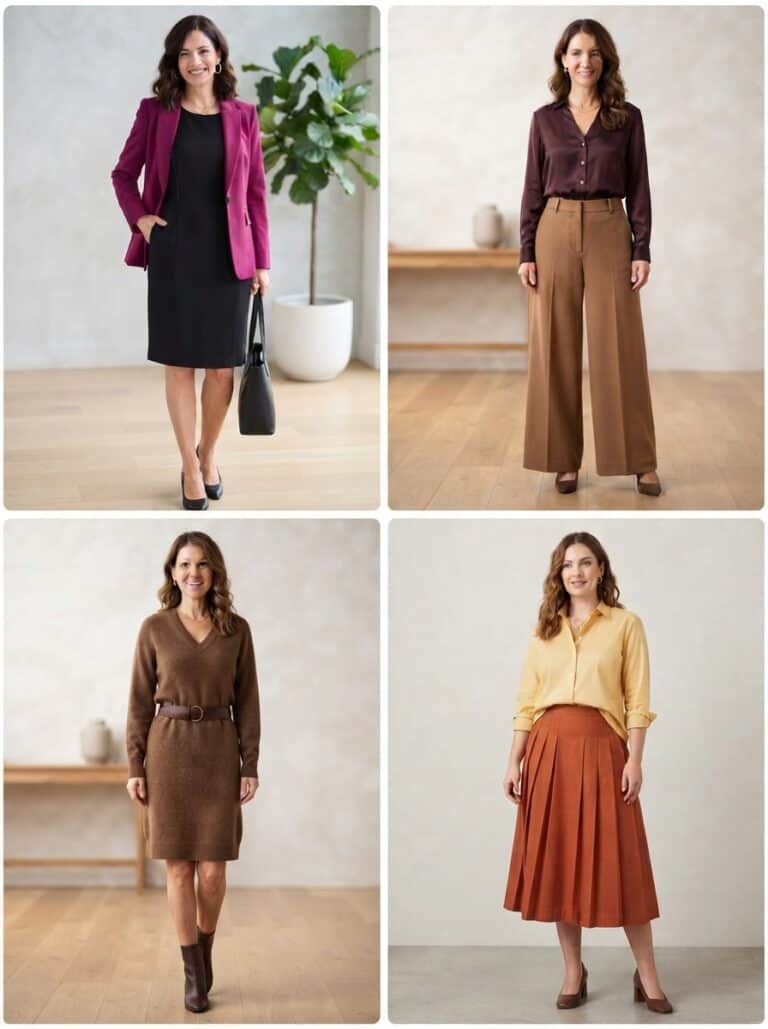
Choose a few thoughtful backups for milk leaks, spit-up,
uncomfortable clothing, and the days that do not go quite to
plan.
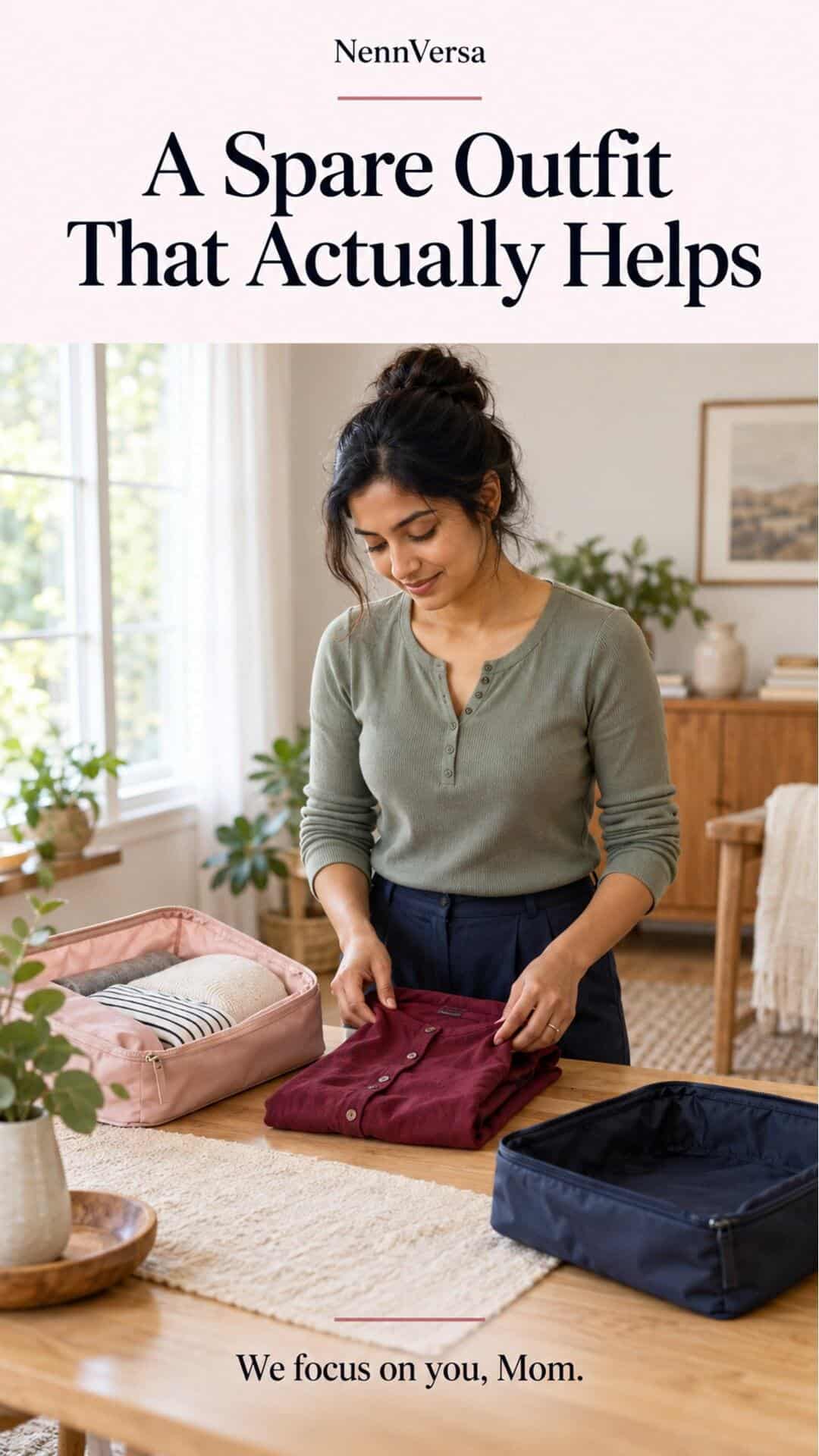
Your baby has two spare outfits in the diaper bag. You have a top
with a damp patch and a cardigan you are hoping will cover it.
It is a familiar imbalance: we often prepare for our baby’s clothing
changes while treating our own as something to manage somehow.
A postpartum outfit emergency kit gives you a more comfortable
option. It is a small collection of replacement clothes and useful
supplies chosen around your body, feeding routine, and everyday
plans.
It does not need to cover every possible mishap. Start with what has actually happened to you, or what would be most inconvenient during the day ahead, and build a backup you would be happy to wear.
First,
identify the problem your kit needs to solve
Think back over a few recent outings. Did milk leak through your top?
Did your baby spit up on your shoulder? Did a waistband feel
uncomfortable after you sat down? Did you discover that your outfit made
pumping much harder than expected?
Those situations call for different backups.
A spare top may solve the first two. A comfortable alternative bottom
belongs somewhere accessible if waistbands are your recurring issue. A
different bra or accessible layer may help with a particular feeding
setup, but only after you have checked that it works for you.
Write down your two most likely needs. This keeps your kit personal
and manageable. You can add something later if experience shows that it
would help.
Build a small core kit
The core kit is the group you can move between bags or keep in a
predictable place at home. A pouch large enough for an adult top is
usually a more useful starting point than a tiny cosmetics bag.
One spare top
that works with your actual outfit
Choose the replacement top while wearing the bottoms and bra you use
most often. Check it in a mirror, sit down, and try the feeding or
pumping access you will need.
Look for enough coverage for your comfort, fabric that feels pleasant
against your skin, and an opening you can manage without a complicated
change. The top should fit you now.
A navy button-front shirt may work with jeans, neutral trousers, or a
skirt. A soft nursing tank can be useful under an existing shirt or
cardigan. A relaxed wrap top might work if the overlap stays where you
want it and suits your feeding method.
The best choice is the one that works with your wardrobe. A “neutral”
top that you dislike or cannot comfortably feed in is not a useful
backup simply because it folds neatly.
Breast pads, if you use them
Carry clean replacement pads in suitable clean storage. Choose the
type that works with your bra and your preferences, and follow the
product’s care or use instructions.
Pads are optional supplies, not something every breastfeeding mom
needs in the same quantity. Consider your own experience and allow for
the length of your outing.
A separate bag for damp
clothing
Give the top you remove somewhere to go. A washable wet bag can help
separate damp clothing from the rest of your belongings during
transport.
Check its closure and the manufacturer’s description rather than
assuming that every fabric pouch is waterproof. Empty and clean it as
directed after use.
Keep clothing storage separate from clean feeding equipment. Your
outfit kit has a different purpose from the storage you use for pump
parts or bottles.
Personal supplies you
genuinely need
Depending on your day, you may want spare underwear, period or
postpartum products, a hair tie, or a small pack of tissues. Keep
personal products identifiable and stored appropriately.
If you regularly rely on a particular item, give it a home in the
kit. If it has been carried for months without a useful role, reconsider
it.
Use three
locations to reduce what you carry
You do not have to keep a complete wardrobe in your handbag. A few
supplies at home, a portable kit, and a suitable backup at work can
cover different needs.
| Location | Useful starting setup | Why it belongs there |
|---|---|---|
| Home | Clean top, comfortable bottoms, underwear or personal supplies as needed |
You can change fully without carrying these items everywhere |
| Everyday bag | Compact top, pads if used, damp-clothing bag | Handles the most likely clothing change during an outing |
| Work | A coordinated backup outfit or top, suitable bra if needed, personal supplies |
Supports a longer day when going home is inconvenient |
These are starting points, not mandatory shopping lists. Skip a
location that does not apply to your life.
Your home backup
Choose one drawer section or basket for clothes that fit comfortably
and are ready to wear. Keep it near the place where you usually
change.
This can help on mornings when the clean laundry is scattered between
rooms. You know where one complete, workable outfit lives.
Do not let this become permanent storage for clothes you hope will
fit later. If you reach for a backup and find yourself negotiating with
a tight waistband or awkward neckline, replace it with something you can
use now.
Your portable backup
Keep the portable version light enough to move between your usual
bags. A folded top, pads if needed, and a damp-clothing bag may be
enough for many outings.
Check that the pouch fits through the opening of your bag as well as
inside it. A pouch that only fits after you have emptied everything else
may make changing more stressful.
Place it where another caregiver can find it if you ask. “My spare
top is in the navy pouch” is easier than describing a pile of loose
belongings at the bottom of the diaper bag.
Your work backup
If you have suitable, permitted storage at work, keep a clean spare
in a protective pouch. Decide whether your realistic need is one top or
a fuller outfit.
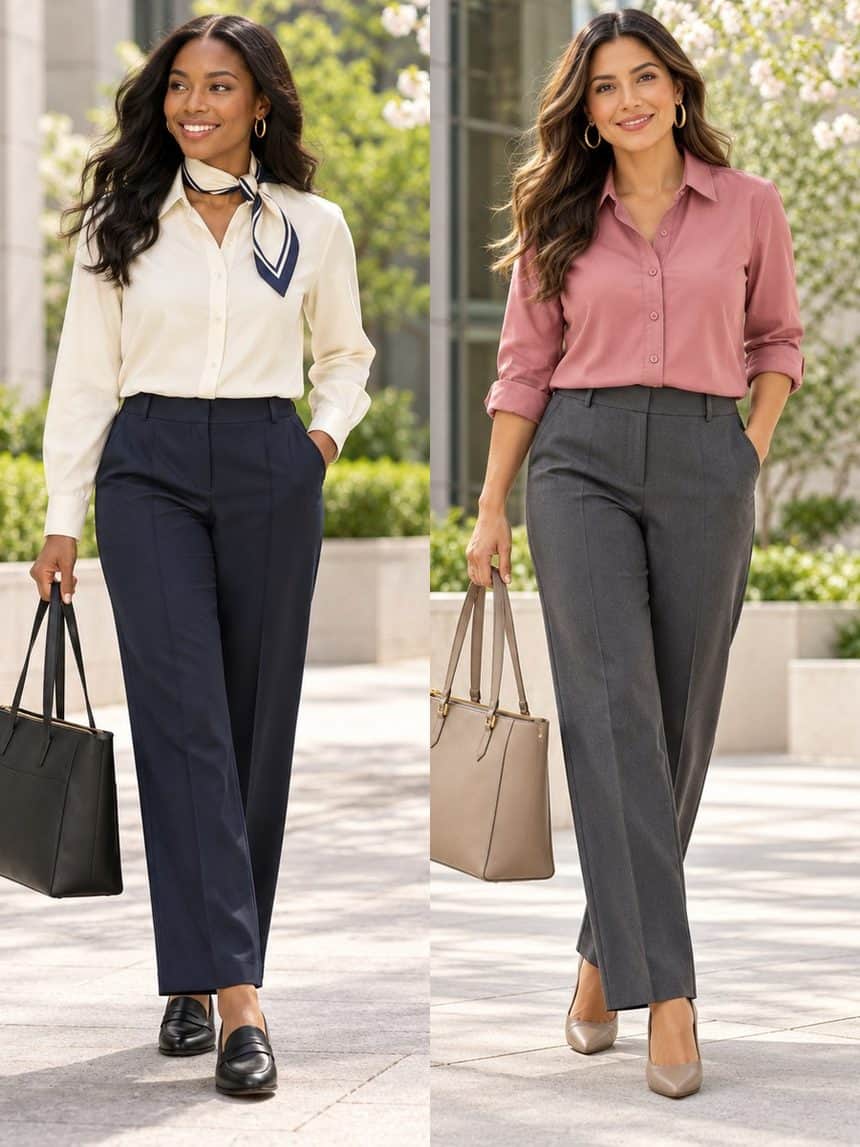
A blouse that matches your usual work trousers may cover most
situations. If you frequently wear dresses, a spare top alone may leave
you without a complete alternative. A simple dress with appropriate
access, or a top-and-bottom combination, may make more sense.
Review this kit when the weather or your size changes. A sweater
stored during winter may be an uncomfortable answer to a summer clothing
mishap.
Choose backups by outfit
type
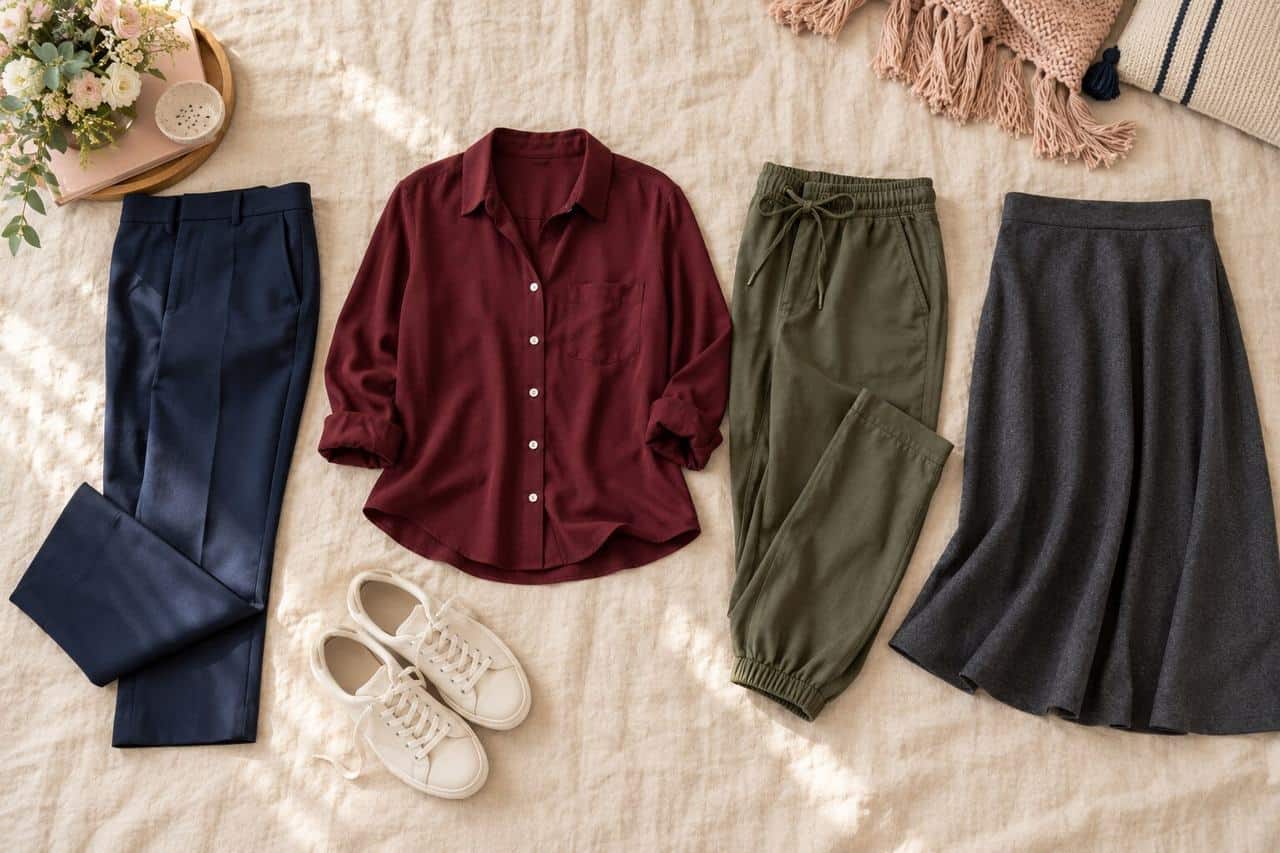

If you usually wear jeans
or trousers
Pick a top that works with the waist height and shape of your
most-used bottoms. Check whether you like it untucked; a replacement
that needs careful tucking may be frustrating when you are changing
quickly.
For example, an ivory nursing tank under an open navy shirt can work
with dark jeans. If the tank needs changing, another compatible tank
lets you keep the rest of the outfit.
If you usually wear skirts
Try the spare top with the skirt before packing it. Check the
proportions when standing and sitting, whether the fabric catches at the
waistband, and how the top behaves when you lift or open it for
feeding.
A slightly shorter top may sit neatly above one waistband, while a
longer relaxed top may work better with another. “Versatile” should mean
tested with your clothes.
If you usually wear dresses
Think through the whole change. A stained dress may require another
complete outfit rather than a fresh top.
Choose a compact backup dress you can feed or pump in, or store
separate pieces at work or another reliable destination. If you do not
need that level of backup for a short outing, make a deliberate choice
rather than automatically filling the bag.
If you wear a uniform
Check your workplace’s clothing requirements and available storage. A
spare compatible uniform top may be more useful than a general-purpose
blouse.
Consider the layers you wear underneath, too. If those need changing,
your backup should still allow you to follow the dress requirements and
use your feeding equipment as intended.
Make changing easier
before you need to
A kit works best when you know how you will use it.
Fold items so the one you are most likely to need sits on top. Keep
small personal supplies in a separate pocket so they do not fall onto
the floor when you pull out the shirt.
When you arrive somewhere unfamiliar, notice where you could
comfortably change if needed. You may not use the space, but knowing it
exists removes one decision if something happens.
When changing while caring for your baby, arrange a safe place for
them or ask another caregiver to help. Avoid trying to balance your baby
and belongings while rushing through an awkward change.
If you want a stain-treatment product, choose one appropriate for the
fabric and follow its directions. Test it as instructed. A damp patch
from treatment can also be visible, so a stain pen is not a guaranteed
substitute for a clean top.
What to keep out of the kit
Leave out items that make the backup harder to use: clothes that do
not fit, fiddly fastenings you already dislike, several nearly identical
tops, and accessories that need special handling.
Do not rely on a scarf or cardigan as the only answer to a soaked
garment. A layer can change how an outfit looks, but you may still want
to change what is damp against your skin.
From the capsules
The Back to Work Capsule
Two hundred workday outfits, every top opening for the eleven o'clock pump. $27 once, yours to keep.
Avoid treating a kit as a substitute for help when something is
painful or worrying. Persistent feeding pain or a new health concern
deserves appropriate support; having a spare shirt does not address the
cause.
An outfit kit also should not absorb the job of your whole pump bag.
Keep feeding equipment on its own checklist. CDC guidance calls for
cleaning milk-contact pump parts after use and storing clean, dry parts
protected, so a clothing pouch is not a suitable home for loose clean
equipment. [1]
Three examples you can adapt
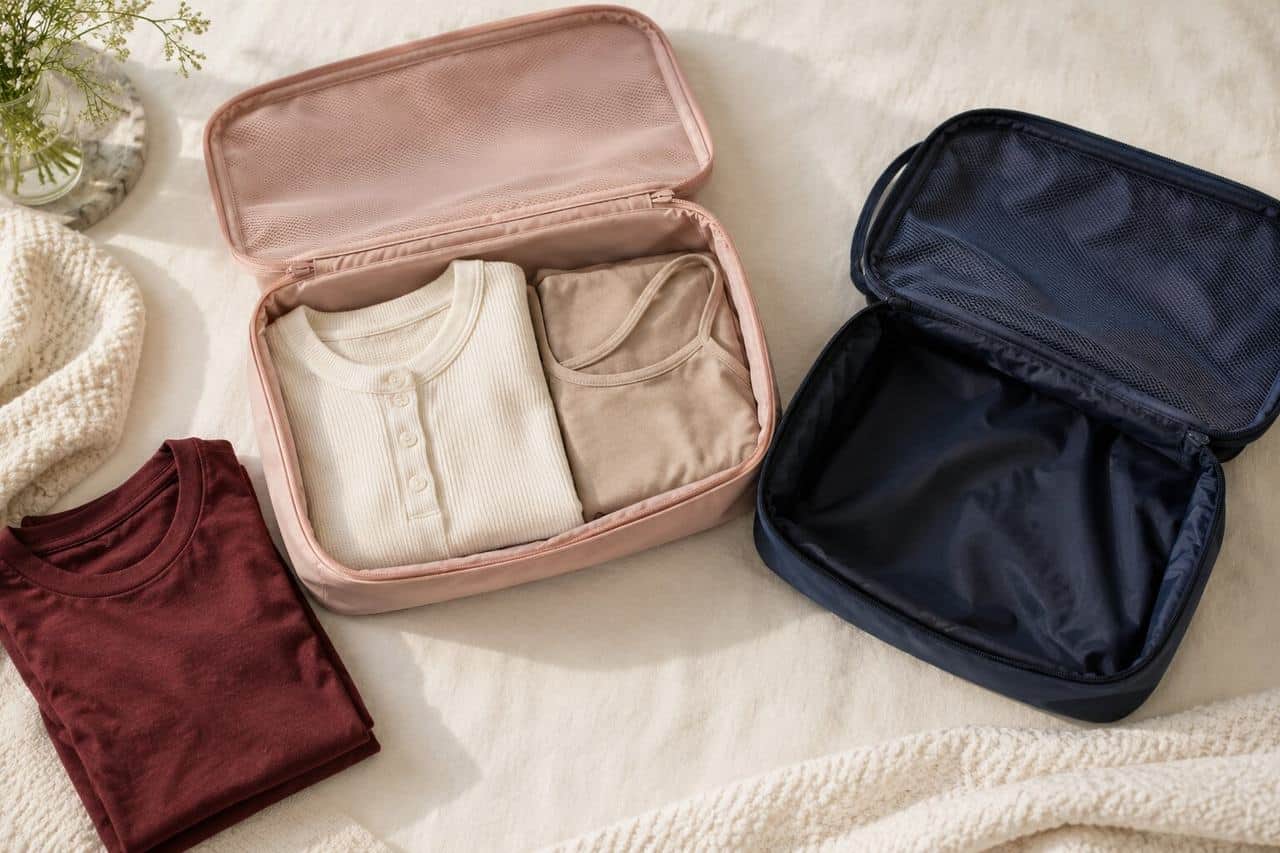
A short café outing
You are wearing straight-leg jeans, a nursing tank, and an open
shirt. Your small kit holds a replacement tank, spare pads if used, and
a separate bag for the top you remove.
Because you have tested the tank with your bra and jeans, you know
that changing it will leave you with an outfit you like. You are not
carrying another pair of shoes or a full set of accessories for an
outing that does not need them.
A full workday
You wear navy trousers and a button-front blouse. Your desk backup
holds another compatible blouse and personal supplies, while your work
bag carries the small items you use during the commute.
Your pumping equipment remains in its own kit. If the blouse needs
changing, you can take only the clothing pouch to the changing area
rather than carrying every bag with you.
A family visit in a dress
You choose a comfortable dress with feeding access you have already
tried. For a long visit, you bring a compact replacement dress or a
simple two-piece outfit in a small packing pouch.
The backup matches the weather and the shoes you are wearing. You
have a separate bag for damp clothing and a plan for where to change, so
a mishap does not require rebuilding the day around getting home.
Buying a few useful pieces
If your existing clothes and pouches work, use them. Shop only for a
gap you can name.
For an adult clothing pouch, compare dimensions against the folded
top rather than the product photo. For a wet bag, check the stated use,
closure, and washing instructions. For a nursing tank or replacement
blouse, check the actual opening, fabric details, size information, and
return conditions.
Read product descriptions critically. Terms such as “nursing
friendly,” “leakproof,” and “one size” do not tell you whether an item
will work with your body and routine.
You may find it helpful to keep one compact kit and move it between
bags instead of buying duplicates immediately. Add a second only if the
repeated transfer is causing a real problem.
Keep the backup ready for
next time
When you get home, remove used clothing and wash it according to its
care label. Clean the pouch or wet bag when required and allow it to dry
before repacking.
Put the replacement top back into the kit when it is ready. If that
will take time, leave a visible reminder so you do not assume the pouch
is still stocked.
After an outing where something went wrong, ask one practical
question: what would have helped? You may need a bigger pouch, a
different neckline, or simply to replace the pads you used last
time.
Do a fit check occasionally. A backup kit should evolve with you,
including when your preferred style changes.
Questions about outfit
backups
How many spare tops should I
carry?
There is no universal number. One can be a manageable starting point
for many outings, but your own experience, time away, and access to
other clothes matter. Adjust without feeling that every day requires a
full wardrobe.
Do I have to buy
special nursing clothes?
No. An existing button-front shirt, suitable stretchy top, or layered
outfit may work. Test the access and comfort rather than relying on the
label.
Can I keep a kit in the car?
Dry clothing may be useful there if the storage conditions suit it.
Do not treat a parked car as suitable storage for milk, medication, or
heat-sensitive products. Keep those items according to their specific
instructions and needs.
What if a
backup outfit makes me feel unlike myself?
Choose again. A spare is still clothing you may wear in public for
hours. It can be comfortable, practical, and aligned with your style.
You are allowed to care about all three.
Give
yourself the same preparation you give your baby
Choose one replacement top today. Try it with an outfit you wear
often, fold it into a suitable pouch, and add a separate bag for
clothing that needs washing.
That small preparation gives you an option when you need it. You can
change, feel more comfortable, and continue your day in clothes that
work for you.
Your needs deserve space in the bag, too.
The Nursing Mama Fashion Commandments
Twelve rules I wish someone had told me postpartum. Print them. Screenshot them. Live by them.
- Nursing bra always. Regular bras become instruments of pain the day letdown surprises you.
- Nursing pads on your body + a spare pair in your bag. Every single time you leave the house. No exceptions.
- Extra top in your bag — for YOU, not the baby. Because leaks, spit-up, and coffee-spills don’t care about your outfit plan.
- If it takes more than 5 minutes to figure out how to nurse or pump in it, it’s not the right outfit today. Feeding access is comfort. Comfort is not optional.
- Belt under the bust (empire) or below the belly with drape — never at the belly button. Your postpartum body deserves flattery, not compression.
- Comfortable waistband is non-negotiable. Elastic, wrap, or pull-on. Zippers are a Sunday-only luxury for now.
- Dark tones, prints, or textures — not thin light solids. Because letdown marks are real and you deserve clothes that don’t advertise them.
- Machine-washable everything. Dry-clean is not real-mama fashion. If it can’t survive a spit-up rinse, it’s not in rotation.
- Cross-body bag only. Hands stay free for the carrier, the toddler, the coffee, the door, the meltdown.
- Comfortable shoes always. You’re carrying a car seat and a diaper bag. This is not the season for a heel you can’t run in.
- Get dressed BEFORE the kids see you if you can. It changes the whole day — for them and for you.
- One accessory — earrings, a lip color, a scarf — counts as “put together.” That’s the whole game. You get to feel like yourself again.
Source
- CDC, How
to Clean and Sanitize Breast Pumps. Guidance checked October 31,
2026.